Taking your own bike on a trip can make the first ride at your destination feel effortless. The airport part is less romantic: a carrier may have a size limit, a booking requirement or a packaging rule that another airline does not. Treat the bicycle policy for your exact itinerary as the starting point. Then choose a case, decide what needs to come off, and leave enough time to put everything back together carefully.
Confirm acceptance before you commit to the flight
Look for the airline’s current bicycle or sports-equipment page and ask whether the bike must be added to the booking in advance. Turkish Airlines says a reservation entry is mandatory and notes that some aircraft cannot accommodate baggage of these dimensions. Pegasus advises passengers to contact its call centre before travel because hold capacity for special equipment is limited. On a codeshare or multi-airline itinerary, check every operating carrier: acceptance by the airline that sold your ticket does not automatically settle the rules for a connection. Ask about the bike’s maximum dimensions, the hand-off point at the airport and any special-equipment charge. Those details can change, so confirm them against your booking rather than relying on a saved screenshot.
Choose packaging the airline will actually accept
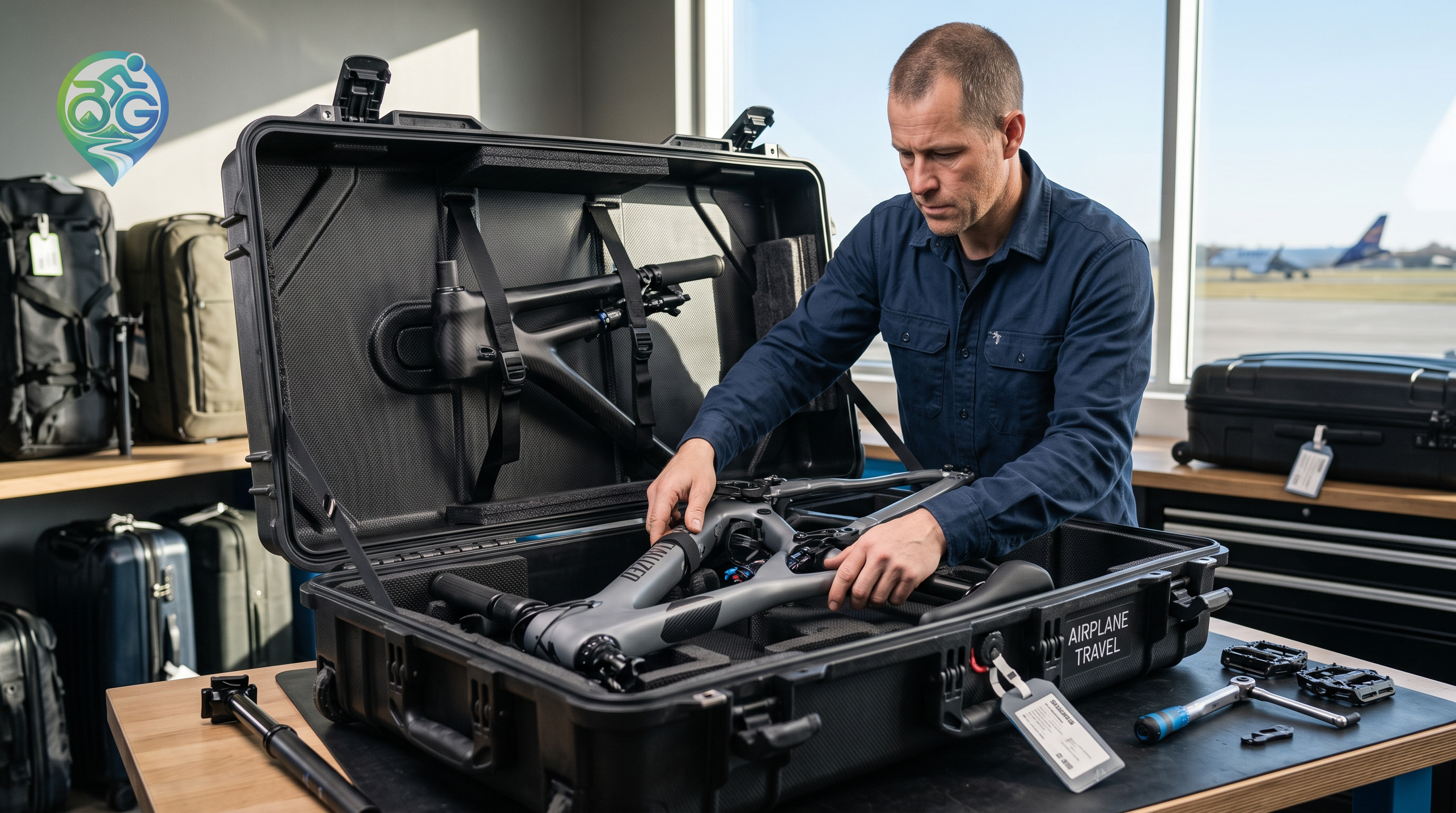
A purpose-built bike case is convenient if you travel often; a sturdy cardboard bike box can work for a one-off journey when it meets the carrier’s current instructions. Both airlines describe protective packaging, and Pegasus specifically calls for a protective cover carried inside a strong cardboard box or special package. Check the assembled package dimensions with the airline before you buy or borrow a case. A box that is beautifully padded but too large may still be refused. Avoid filling every gap with loose clothing: padding should stop the bike shifting, not press a derailleur, fork or frame against the wall.
Strip the bike down to the carrier’s checklist
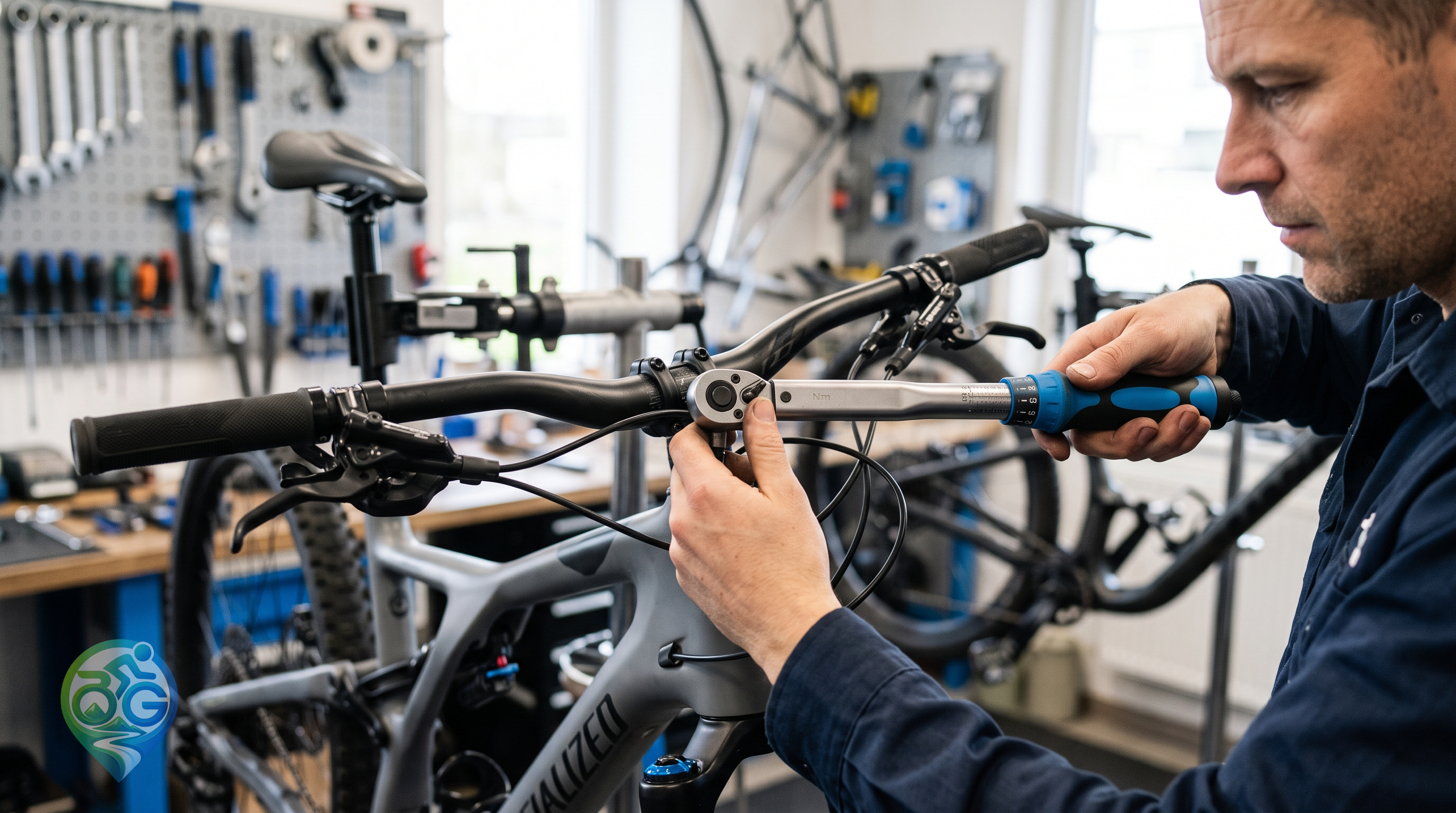
Before loosening anything, take photos of the bike and note the saddle height and accessory positions. Remove bottles, lights, computers, bags and other parts that could snag or disappear in transit. The exact disassembly list is carrier-specific. Turkish Airlines asks riders to turn the handlebar lengthwise, lower the saddle, remove pedals and protruding parts, and says tyres should be deflated if needed. Pegasus accepts manual, non-motorized bicycles and lists a protective case, pedals removed or folded inward, bars turned to the side and deflated tyres. These instructions are not interchangeable; follow the current page for the airline carrying your bike.
Keep pedals, axles and small fasteners together in a labelled pouch secured inside the box. Protect frame contact points and prevent the wheels or loose components from moving during handling. If you ride a carbon frame or a bike with unfamiliar brakes, follow its maker’s disassembly instructions instead of guessing. A multi-day trip adds its own luggage decisions; the bikepacking starter guide can help you separate the bike’s travel kit from the gear you will carry on the ride.
Plan for e-bikes and connecting flights carefully
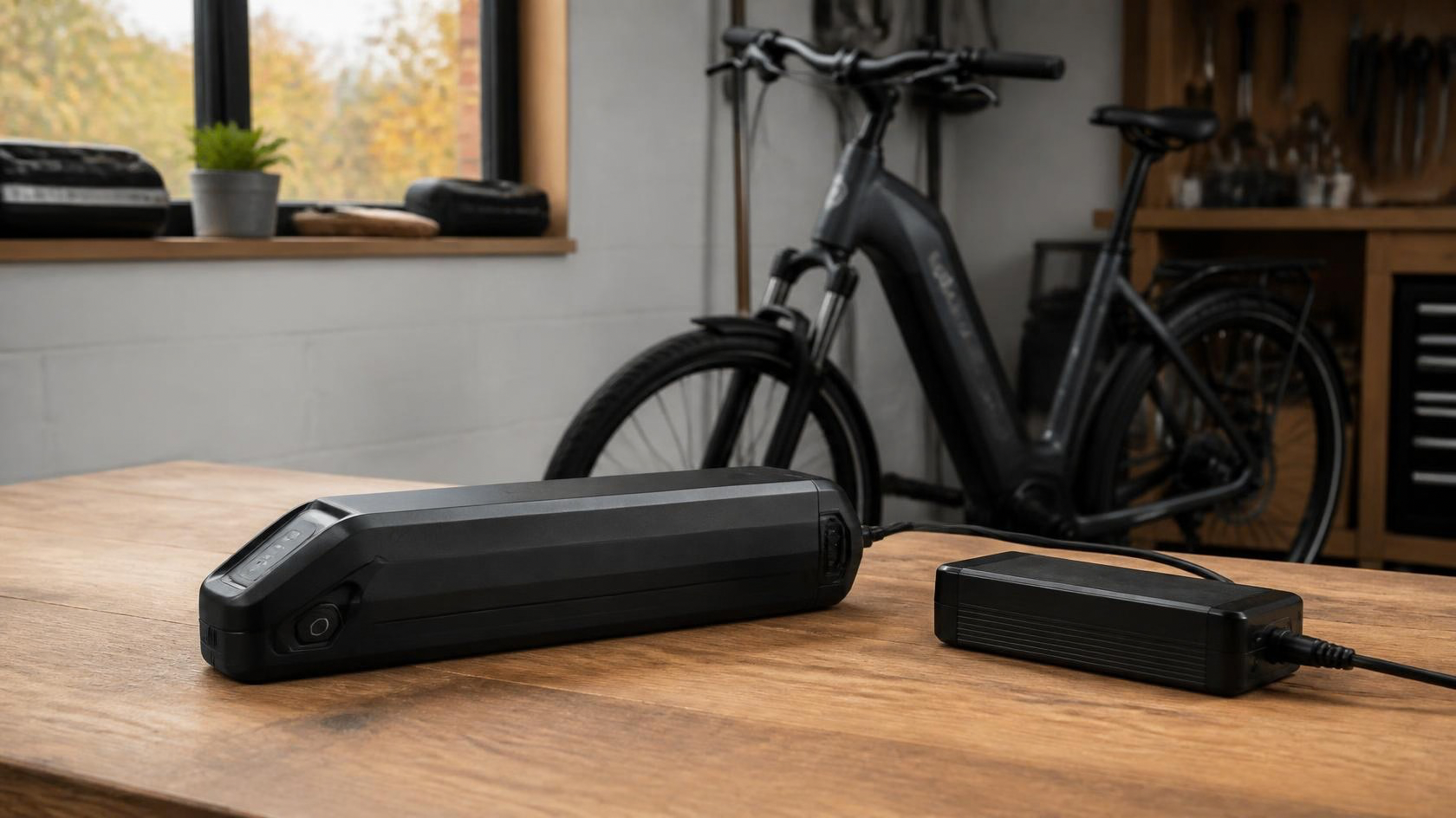
Do not assume an electric bike can travel under the same bicycle allowance. The two carrier pages reviewed here exclude motorized or battery-powered bicycles from their standard bicycle transport rules. If you are travelling with an e-bike, ask the operating carrier directly about the bike and battery before buying a ticket; do not remove a battery and infer that the rest of the arrangement is approved. If you have a connection, leave room for a different operator’s requirements and handling window.
Inspect before you roll away
Photograph the packed bike before handing it over and keep your booking confirmation handy. At the destination, look over the case before leaving the baggage area. If it is crushed or torn, report it through the airline’s process while you are still at the airport. Once the bike is out, check that the wheels sit correctly, the handlebar and saddle are secure, the brakes work and the gears shift normally. If anything feels wrong, get a mechanic to check it before joining traffic. The brake adjustment guide is a useful refresher after wheel removal; the bike pump guide can help you choose what to carry for setting tyre pressure again.
A final pre-flight checklist
Before travel, confirm acceptance, reservation, package dimensions, disassembly instructions and current charges with the airline that will actually carry the bike. Pack it early enough to correct a problem, keep small parts together, and photograph its condition. Rebuild it without rushing and make a short, low-speed function check before your first proper ride. None of these steps guarantees that checked baggage will be handled gently; they do make the process more predictable. The carrier pages used for this guide were checked on 27 September 2026: Turkish Airlines’ bicycle policy and Pegasus’ special-equipment rules. Recheck them before departure.