Bikepacking is a lighter, more aerodynamic way to travel by bicycle than a traditional rack-and-pannier setup. Purpose-built bags attach to the frame and contact points, helping you handle gravel roads and steep climbs without making the bike feel top-heavy.
1. Choose a balanced bag combination
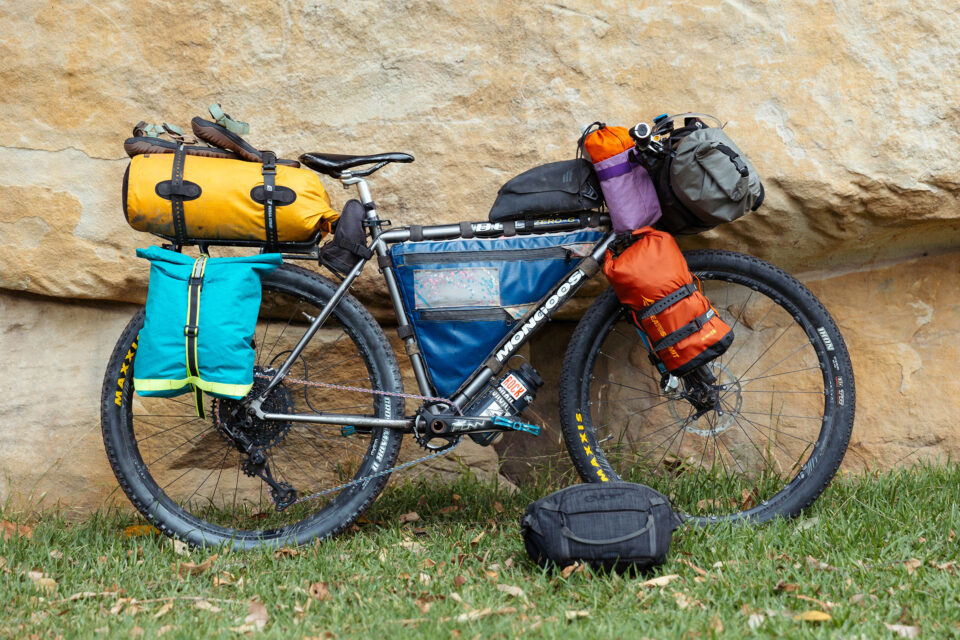
The golden rule is to keep the center of mass low and close to the middle of the bicycle.
- Saddle bag: Keep heavy items away from the tail, where they can make the bag sway in corners. Put a sleeping bag or spare clothing closest to the seatpost and tighten the straps firmly.
- Frame bag: This is the natural home for dense items such as tools, chain links, a mini pump, a power bank and spare parts.
- Handlebar roll: Use it for cylindrical, light items such as tent fabric or an inflatable mat, and make sure it cannot crush brake or shift cables.
- Top-tube and feed bags: Keep snacks, dates, a phone and sunscreen within easy reach while riding.
2. Plan water and resupply
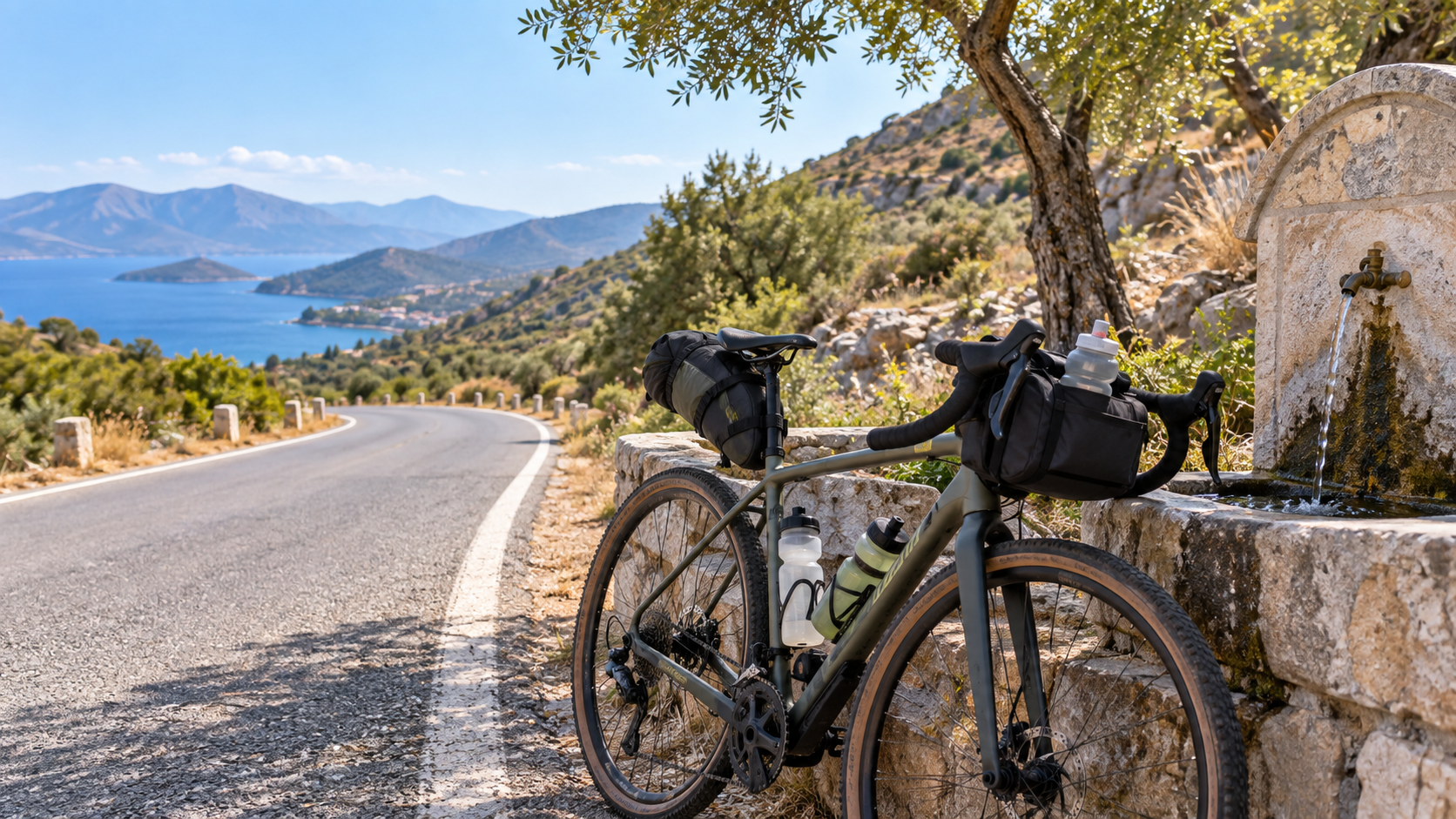
Do not assume that every village fountain works, especially during a dry summer. Check shops, fountains and settlements before entering an isolated section. Keep your main bottles full and add reserve water when the next reliable refill is far away.
3. Carry a minimum repair kit
A compact multi-tool with a chain breaker, two compatible quick links, a tubeless plug kit or spare tube, tire levers and a pump can prevent a small failure from ending the ride. Test your setup on an overnight trip close to home before committing to a remote route.
You do not need the most expensive equipment to begin. The right load is the one your legs and back can carry comfortably for the route you actually chose.