
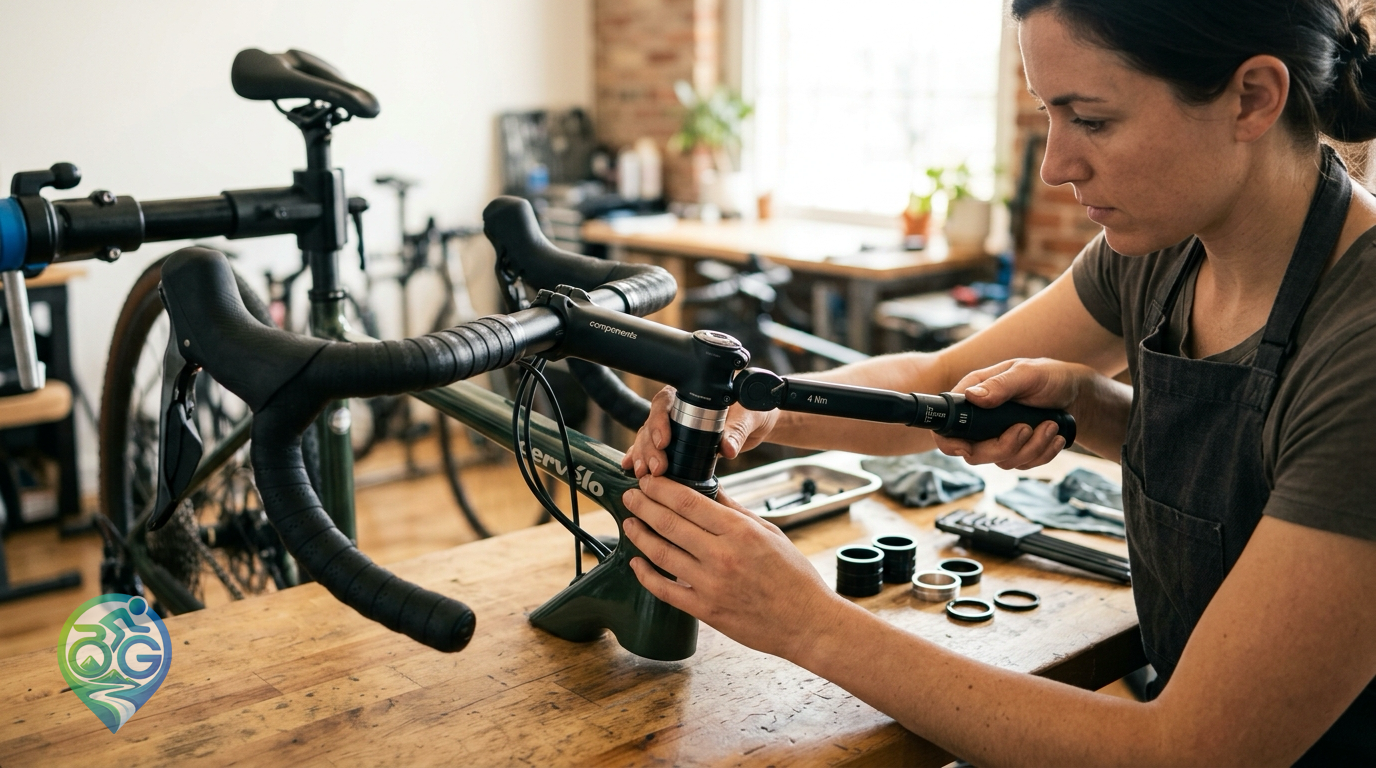
When cyclists experience neck stiffness, trapped shoulder tension, or chronic hand numbness caused by ulnar nerve compression, they frequently blame their saddle or entire frame. Yet the bicycle stem—the vital bridge connecting your fork steerer to the handlebars—is the primary component governing cockpit reach and spinal extension. Utilizing a thorough bike stem sizing guide allows you to optimize bike handling, alleviate upper-body pressure points, and tailor your cockpit to your exact flexibility levels.
How Stem Length Alters Cockpit Reach and Steering Dynamics
Bicycle stems range from ultra-short 35 mm downhill models up to 130 mm professional road racing cockpits. Modifying stem length simultaneously impacts effective rider reach and steering leverage:
- Short Stems (35 mm – 70 mm): Common on modern mountain and technical gravel bikes. A shorter stem places the bar closer to the steering axis, producing immediate, sharp steering corrections while keeping your torso more upright to eliminate lower-back strain.
- Long Stems (80 mm – 120 mm): The gold standard for road endurance and sportive setups. A longer reach slows steering twitchiness, provides rock-solid stability at high descending speeds, and positions front tire weight perfectly for descending traction.
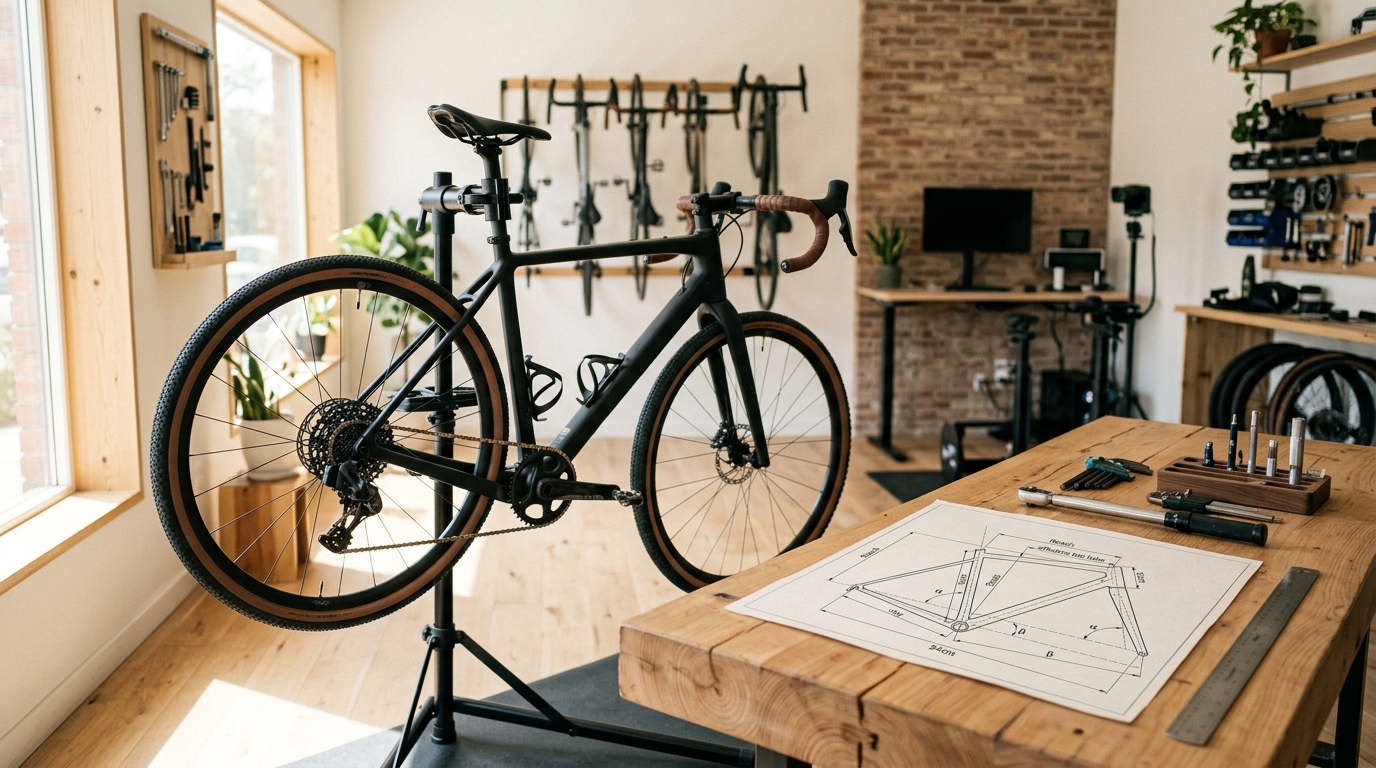
If your frame reach feels slightly stretched, reducing stem length by 10 to 20 mm offers an immediate handlebar reach adjustment that transforms long-distance ride comfort. To assess whether your underlying frame geometry aligns with your limbs, consult our bike frame size guide.
Understanding Bike Stem Angle: Rise vs. Drop (Flip-Flop)
Almost all modern stems feature a symmetrical flip-flop faceplate and clamp design, enabling you to mount the unit in either an upward (positive rise) or downward (negative drop) orientation. The most prevalent bike stem angle values are 6°, 7°, and racing-specific 17°.
Running a stem with positive rise (+6°) elevates your cockpit stack by roughly 10 to 18 mm without adding extra headset spacers. This takes tremendous pressure off the wrists and palmar nerves, making multi-hour gravel rides considerably more comfortable. Conversely, flipping the stem into negative drop (-6° or -17°) creates a lower frontal aerodynamic profile for competitive paceline riding. Since cockpit height interacts with pedal stroke mechanics, verify your leg extension using our bicycle saddle height guide.
Clamp Standards and Fastening Torque Safety
Before purchasing an aftermarket stem, check two critical dimensions: the fork steerer diameter (1-1/8 inch or 28.6 mm is the current industry norm) and the handlebar clamp diameter (31.8 mm modern standard; 35 mm on select trail MTBs). Vintage 25.4 mm or 26.0 mm bars require shims or dedicate matching stems.
When fastening faceplate and steerer bolts, never overtighten. Crushing a carbon steerer tube or carbon drop bar causes invisible micro-fractures that lead to sudden, catastrophic structural failure during out-of-the-saddle sprinting. Tighten the four faceplate bolts gradually in a cross-hatch pattern, maintaining even gaps between faceplate halves, and strictly respect the manufacturer 4–5 Nm specification. For step-by-step guidance on precision calibration, follow our tutorial on how to use a bike torque wrench.
Discussion & Comments 0
Share your thoughts, gear experiences or ask questions about this guide.
No comments yet.
Be the first to share your thoughts!
Join the Discussion
Log in with your Bisikletli Gezgin mobile account to participate in discussions and track your contributions.