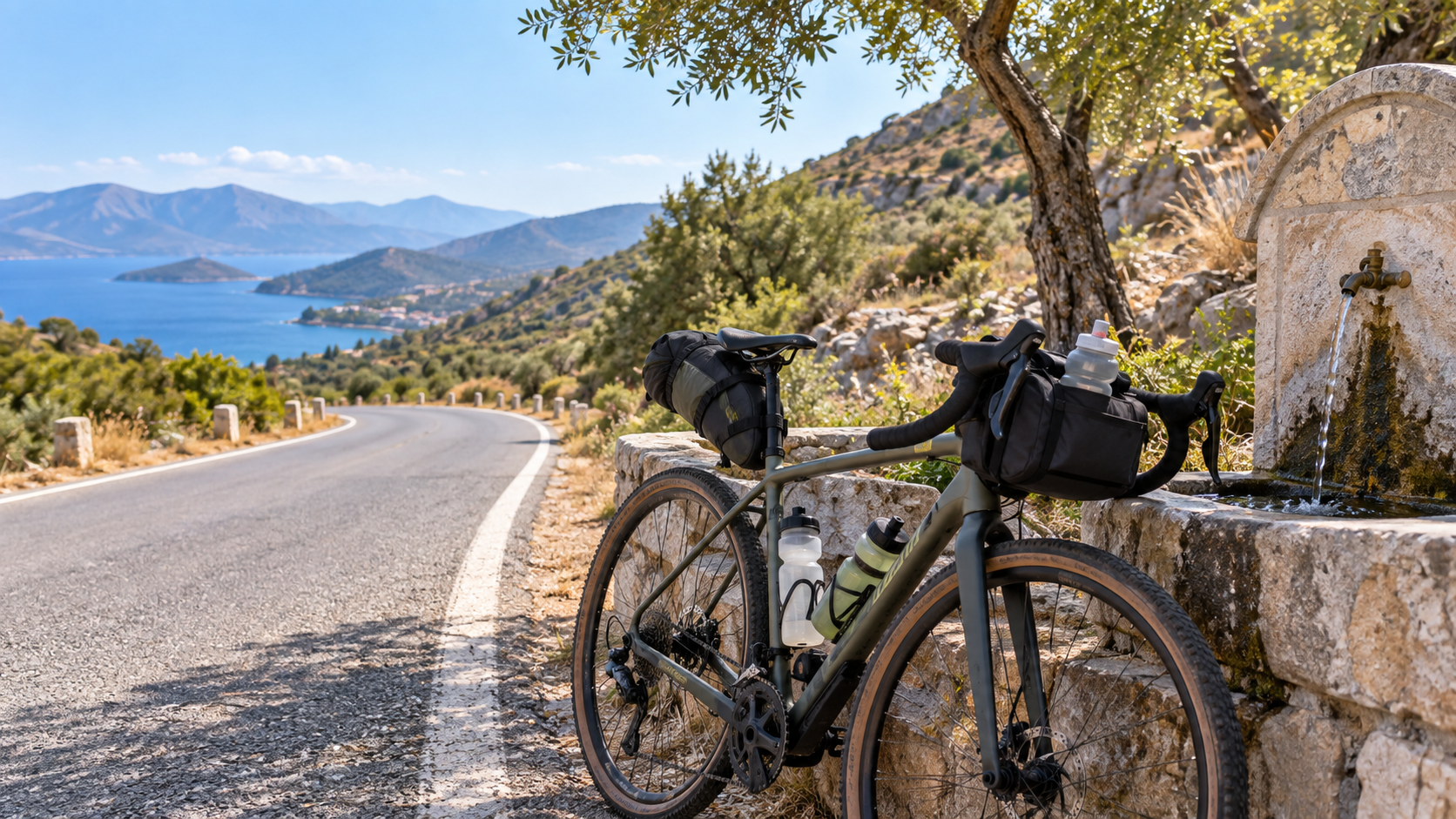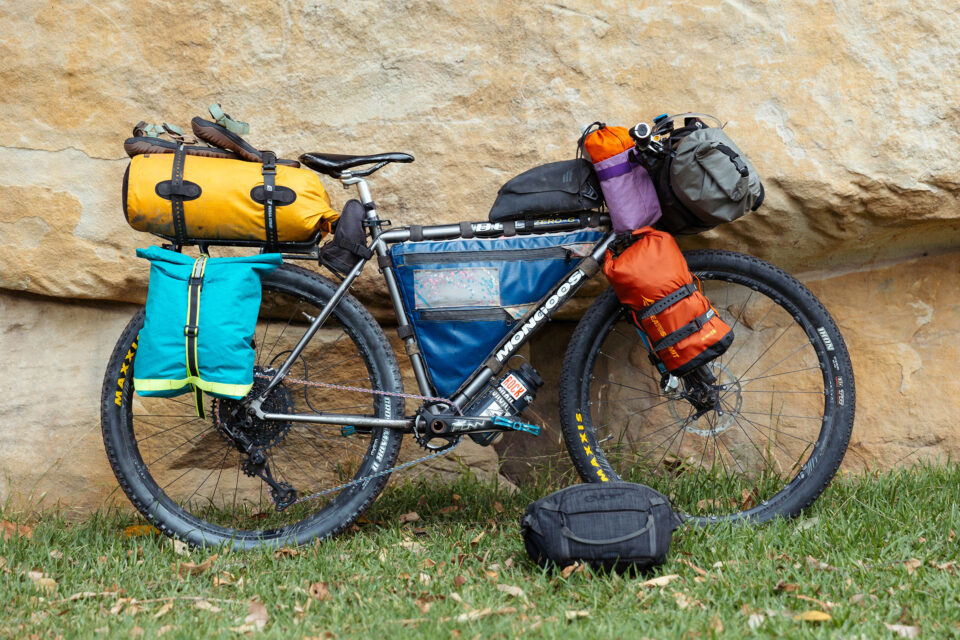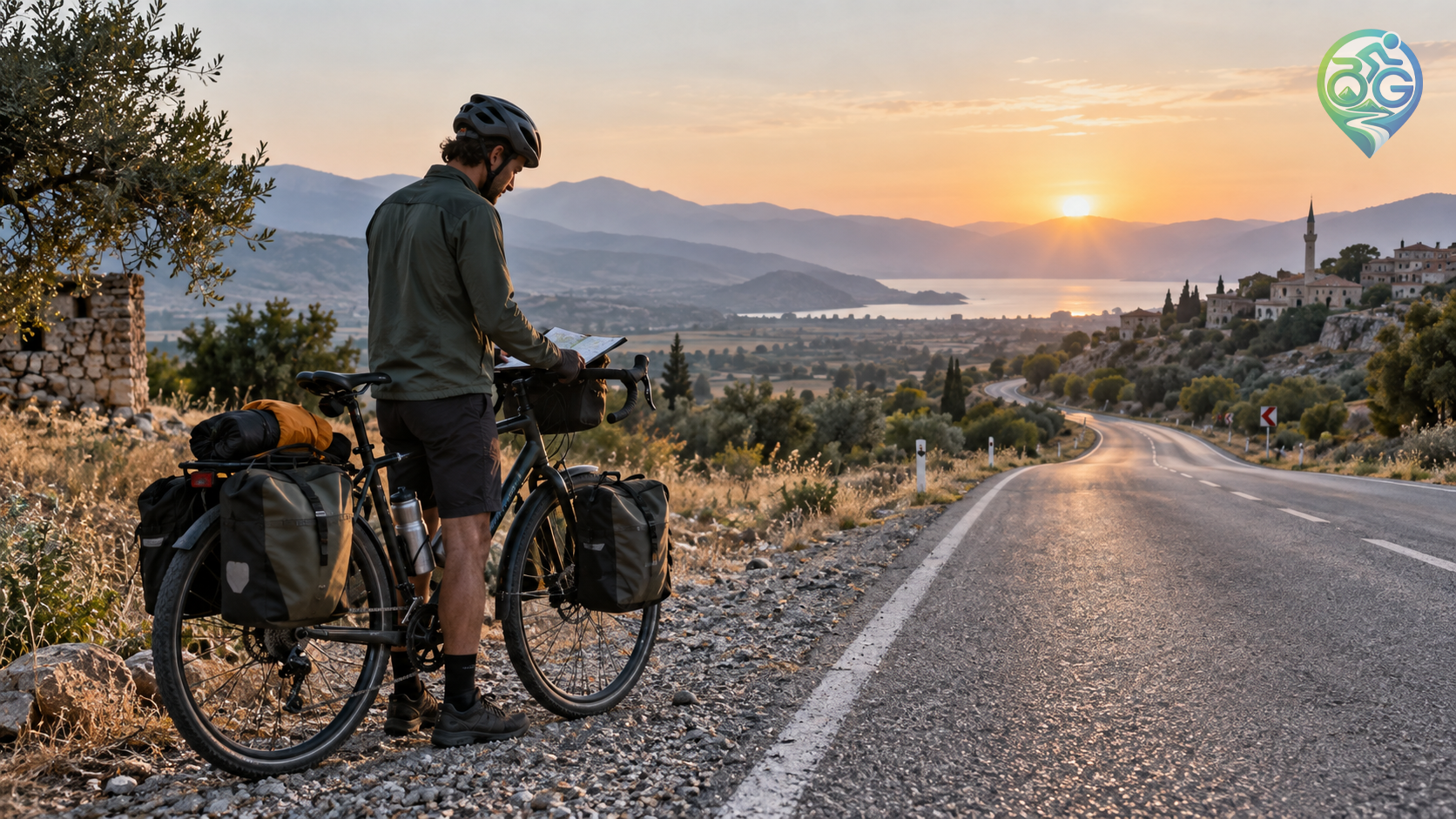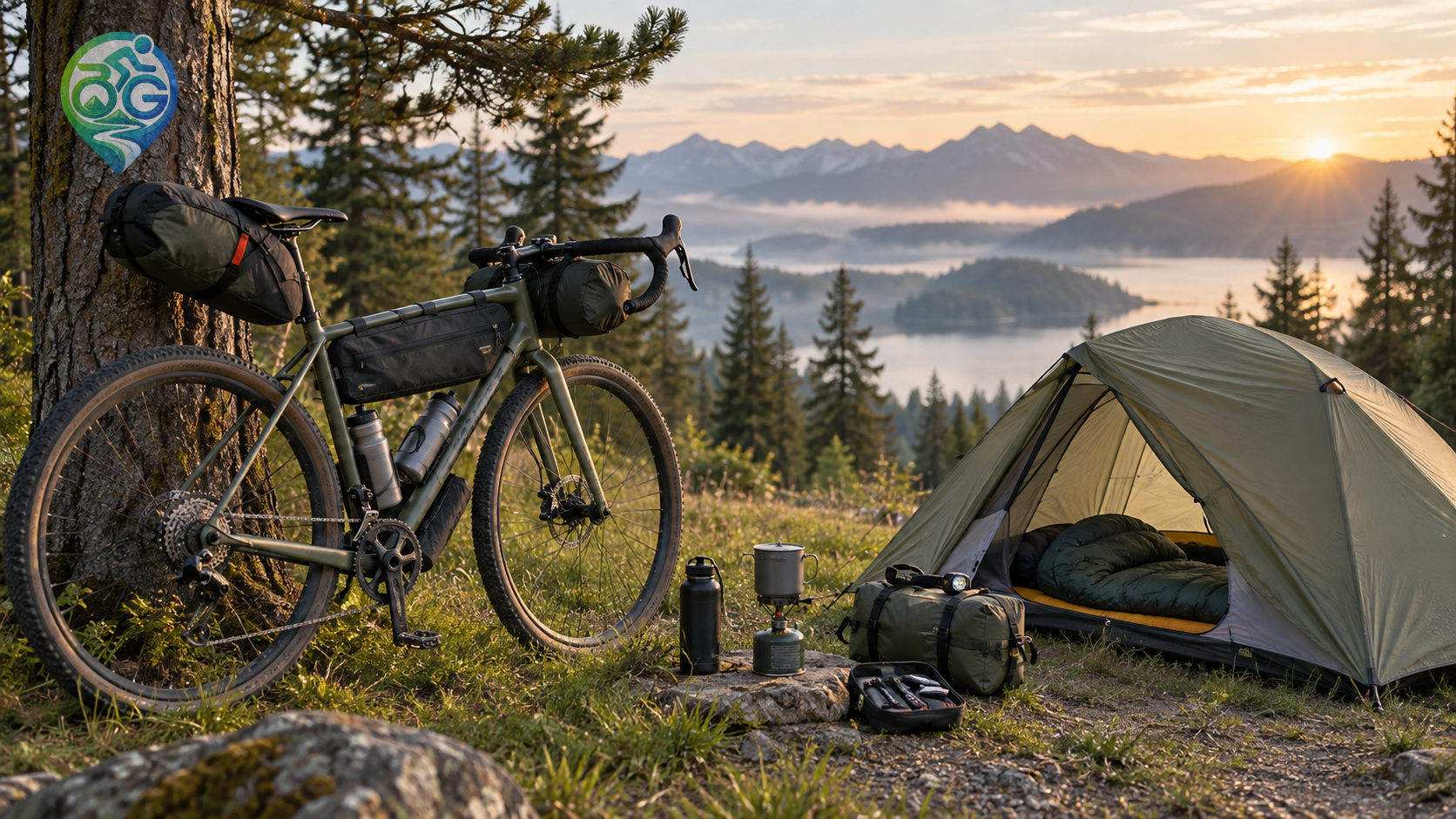
Taking everything you might need to camp sounds reassuring until the first long climb. A heavy tent, a full kitchen set and comfort items you never use all affect your legs and the way the bike handles. A useful bikepacking gear checklist does not simply tick every box from a general camping list. It asks what problem each item solves, how often you will use it and whether another item can do the same job. The goal is a safe shelter, a warm night, reliable water and food, basic repairs and enough flexibility for changing weather.
Start with five practical groups
Sort the list into shelter, sleep, water and cooking, personal needs, and safety and repairs. The shelter core is a tent, pegs, guy lines and a groundsheet when the floor needs extra protection. A sleeping bag and mat provide the rest you need to ride the next day. Drinking water, treatment or filtration, planned meals and an emergency snack cover the energy side. Defining the minimum for each group is more effective than carrying two items that perform the same job.
Shelter: pitch the tent, question the extras
The tent, pegs and guy lines are essential. A groundsheet can be worthwhile on rough or damp ground. If your tent already has a rainfly and a useful vestibule, a separate tarp is often unnecessary for a short solo trip. A tarp makes sense for a large wet camp or a shared cooking area, but it fills a bike bag quickly. Instead of a heavy mallet, carry a small peg hammer or press the pegs in by hand when the ground allows it. Do not hammer a tent peg against a rock; you can damage the peg, the ground and your equipment.
Build the sleep system around warmth and volume
A sleeping bag and sleeping mat are the two pieces that most affect the night. A full-length inflatable mattress can be comfortable, but a bulky model costs valuable space on a long tour. A lightweight mat and a bag rated for the conditions usually offer a better balance. A separate camp pillow is convenient, yet clothing inside a soft stuff sack can do the job. Do not save weight by dropping the warmth rating: being cold all night will cost more energy than the item saves.
Water and cooking: reduce duplicate tools
Carry drinking water and plan either spare capacity or a filter according to the route. Test the treatment method at home and never assume that a spring is safe without checking it. A stove, fuel or cartridge, lighter and a backup way to make fire should be considered together; one lighter is a poor plan in wet weather. Instead of a full pot, pan, plate, mug, fork and spoon set, choose one lightweight pot that can double as a cup and a spork. A large camp knife is rarely necessary; a small, secure folding knife is enough for most meals. Portioning food before departure cuts waste, packaging and last-minute decisions.
What can stay at home on a bikepacking trip?
A camp chair and folding table are usually the first items to remove. A sleeping mat edge, a log or a small sit pad can provide a seat, and meals can be prepared on a clear patch of ground. A separate tarp, pillow, full-size air mattress and multiple pots deserve the same question. If you carry a filter, you may not need a large duplicate water load at every stop, although dry sections still require a safety margin. The point is not to reject comfort; it is to make sure every gram earns its place in the bag.
Personal items are small but important
Layered clothing, a rain jacket, spare socks and underwear make a wet day manageable. Pack a hat or beanie for a cool night, sunscreen for exposed roads and insect repellent where it is needed. Sturdy shoes, a small towel, a hygiene kit and toilet paper cover the basics. Keep personal medication, ID and cash in a waterproof pouch. A rubbish bag is useful not only for litter but also for separating wet clothing from the rest of the load.
Safety and repairs are not optional
A first-aid kit, emergency blanket, whistle, multi-tool, phone, power bank, charging cable and an offline map form the basic safety layer. Check the forecast, learn the rules for fires and overnight stays in protected areas, and share your route with someone you trust. For the bike, carry tyre levers, patches or a spare tube, a hand pump, a multi-tool and repair tape. The tubeless maintenance guide helps with tyre preparation, while the bicycle setup guide is useful when a loaded bike changes how your position feels.
Pack by access, not just by weight
Keep heavy items low and close to the frame, with your rain layer and snacks where you can reach them quickly. Put the sleep system in a waterproof liner, and store stove fuel away from food. Use the GPX route viewer to check water points, climbing and daylight before you leave. If a night finish is possible, the bike-light selection guide can complete your equipment check. The best bikepacking list is not the one that fills every bag; it is the one that keeps you safe and lets you enjoy the road.