Hydration planning is not just a question of how many bottles fit on the bike. Temperature, wind, climbing, rider size, pace and the certainty of the next refill all change the amount you need.
Estimate the longest gap
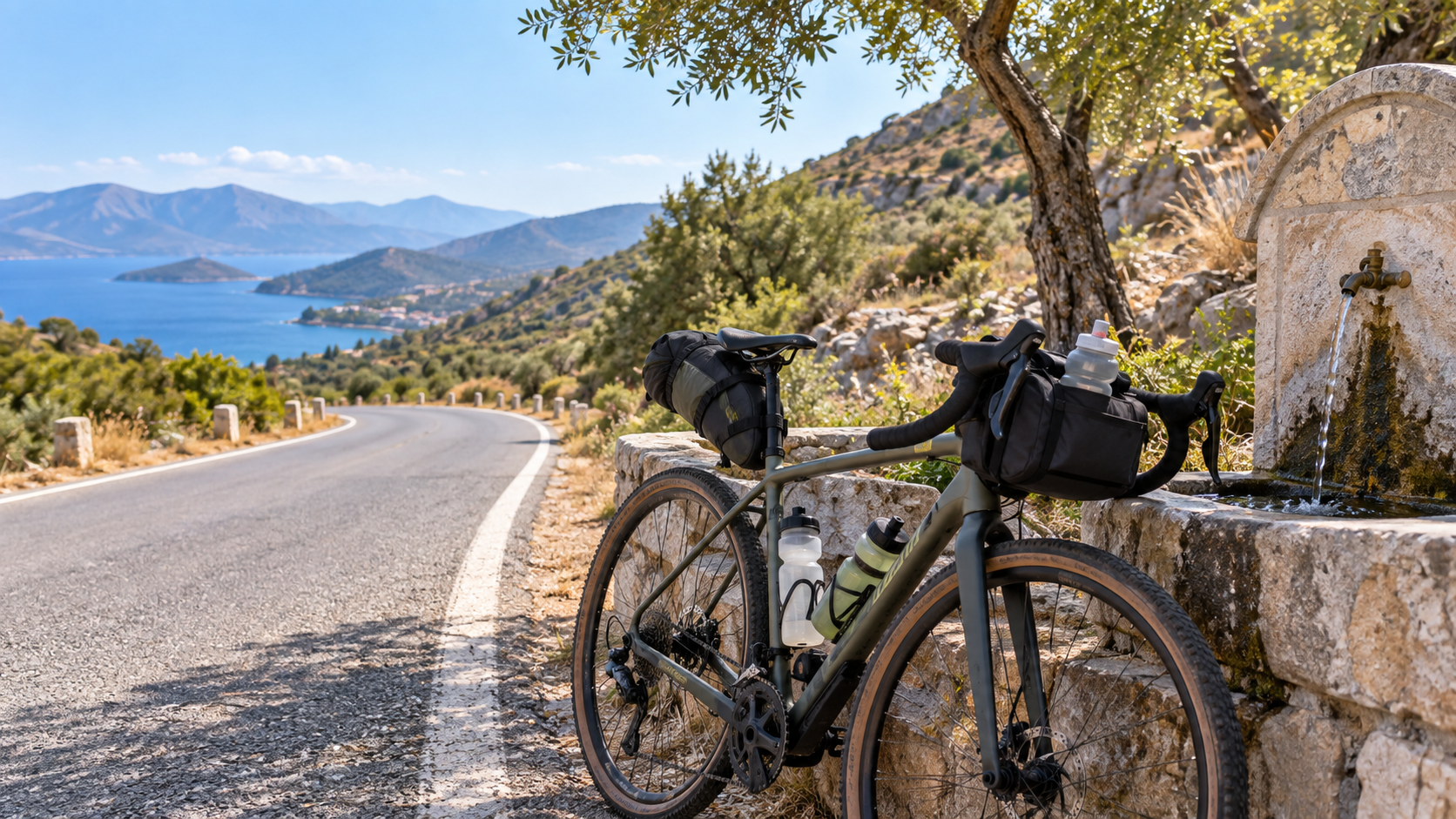
Mark shops, fountains, cafés and settlements on the route, then assume that one or more may be closed or dry. Carry enough for the longest uncertain section rather than relying on a perfect schedule. Two 750 ml bottles can be a useful baseline, but a hot or remote route may require more capacity.
Drink regularly, not only when thirsty
Take small, regular drinks and increase the pace of hydration in heat or during long climbs. Electrolytes can be useful for heavy sweaters and extended rides, but they do not replace plain water or food. Avoid experimenting with a new drink mix on an important tour.
Distribute the load
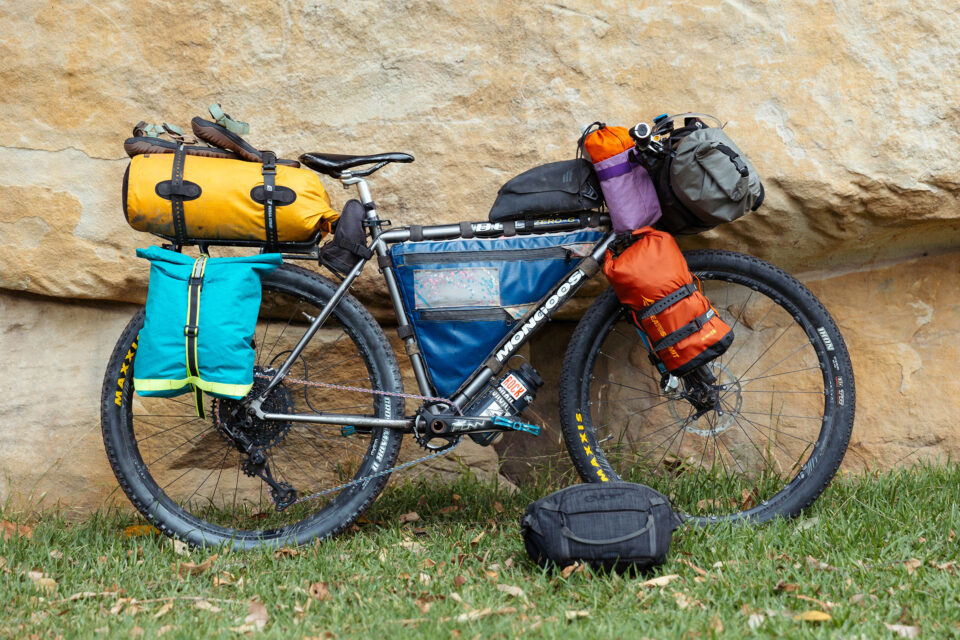
Keep water low and close to the bike's center when possible. Frame bottles, a bladder or a low-mounted cage can be more stable than putting every bottle high on a rack. Leave room for an emergency refill and check that bottles cannot eject on rough roads.
Build a fallback plan
Before entering a remote section, confirm the next known water point and decide where you can shorten the route. A small filter or treatment method may add resilience where natural sources are available, but only use water that can be treated safely.
Good hydration planning gives you options. It reduces panic, protects your pace and lets you enjoy the route instead of calculating every sip.