
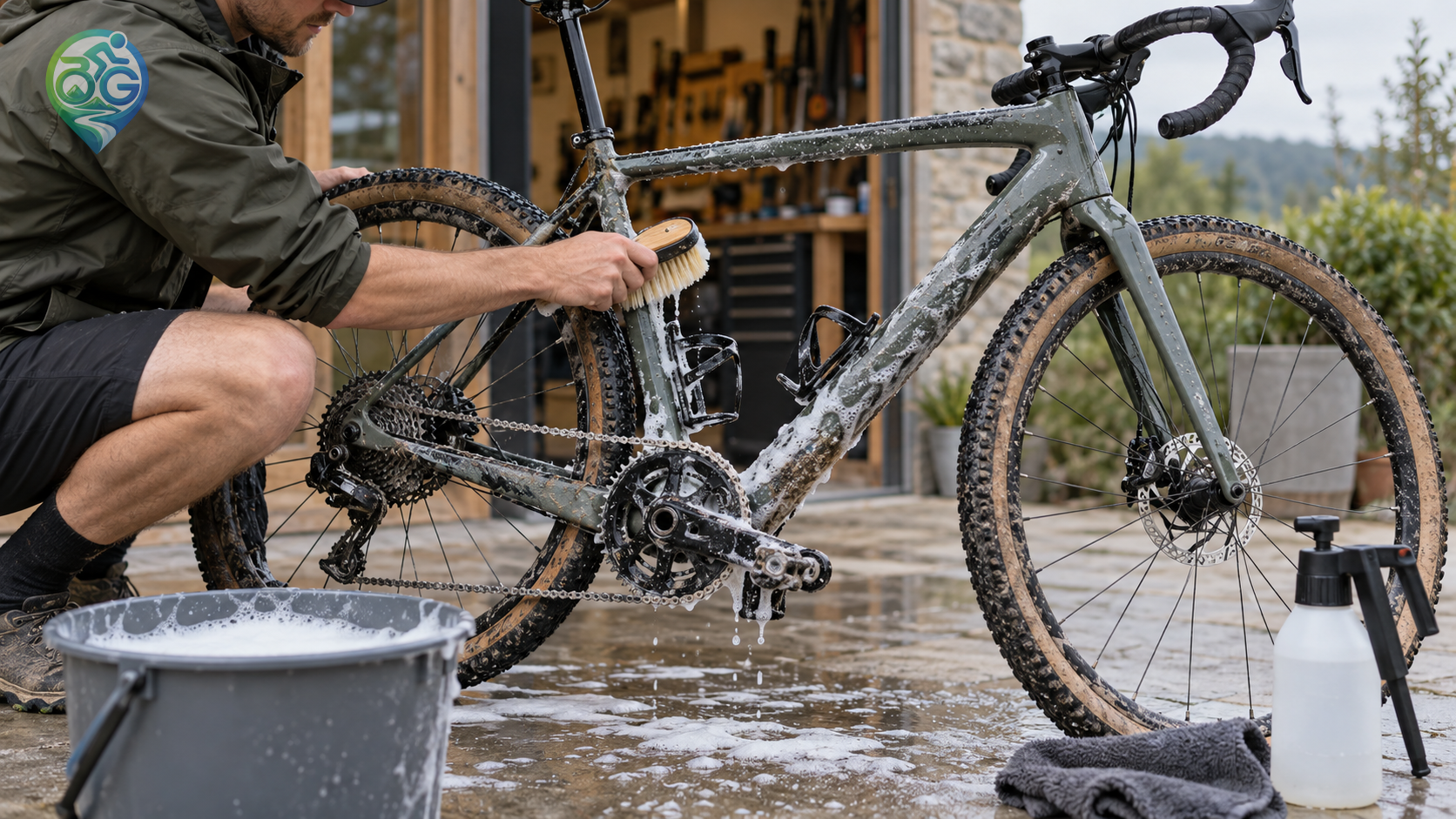
Washing a bicycle safely is mostly about using the right brush and a controlled rinse, not a powerful water jet. Mud and grit left on the drivetrain can accelerate wear, while water forced into bearings or electrical connections can create a different problem. Before you start, stabilise the bike, check any e-bike cleaning instructions, and keep separate cloths for the frame and brake surfaces. A gentle wash also gives you a chance to spot loose parts, damaged tyres or fresh leaks before the next ride.
Set up a simple wash station
Park the bike on stable ground where it cannot roll or fall. Gather a bucket of clean water, mild bicycle-safe soap, a soft sponge or brush, a separate drivetrain brush and clean drying cloths. If you use a degreaser, read its label and keep it on the chain and sprockets only. Protect disc rotors, brake pads and rim-braking surfaces from oily products and dirty rags. For an e-bike, follow the maker’s instructions for the display, battery and motor area; do not direct water at connectors or leave the battery compartment open while washing.
Remove drivetrain grime first
If dried mud is stuck to the bike, wet it gently and let it soften instead of scraping it across the paint. Work on the chain, chainrings, cassette and derailleur pulleys with a dedicated brush. Keep that brush away from the frame and brake components. Apply a small amount of bicycle-appropriate degreaser only where needed, and prevent overspray from reaching tyres, rotors or pads. For a focused drivetrain clean and lubrication routine, use our chain cleaning and lubrication guide.
Wash the frame and wheels gently
Use soapy water and a soft sponge or broad brush, moving from the upper frame towards the dirtier lower areas. A smaller soft brush can reach around the bottom bracket, fork crown and wheel spokes, but avoid grinding grit into paint or decals. Shimano’s dealer guidance says not to clean the bicycle with a high-pressure wash. Park Tool recommends only a low-pressure, wide spray when using a hose. Keep forceful water away from hubs, headset and bottom-bracket seals, suspension wipers and electrical connections. A bucket, squeeze bottle or gentle hose flow is usually enough to lift the soap and loosened dirt.
Rinse, dry and lubricate
Rinse soap away without flooding bearings or pointing water directly into openings. Dry the frame and metal parts with a clean towel, then run the chain through a separate dry cloth until surface moisture is gone. Once the drivetrain is dry, apply a suitable bicycle chain lubricant sparingly and wipe off excess. Keep lubricant off brake rotors and pads; if a braking surface is contaminated, follow its manufacturer’s cleaning instructions before riding. After a wet ride, avoid leaving grit and moisture on the bike for days; our wet-weather cycling guide covers the related ride and post-ride checks.
Finish with a quick inspection
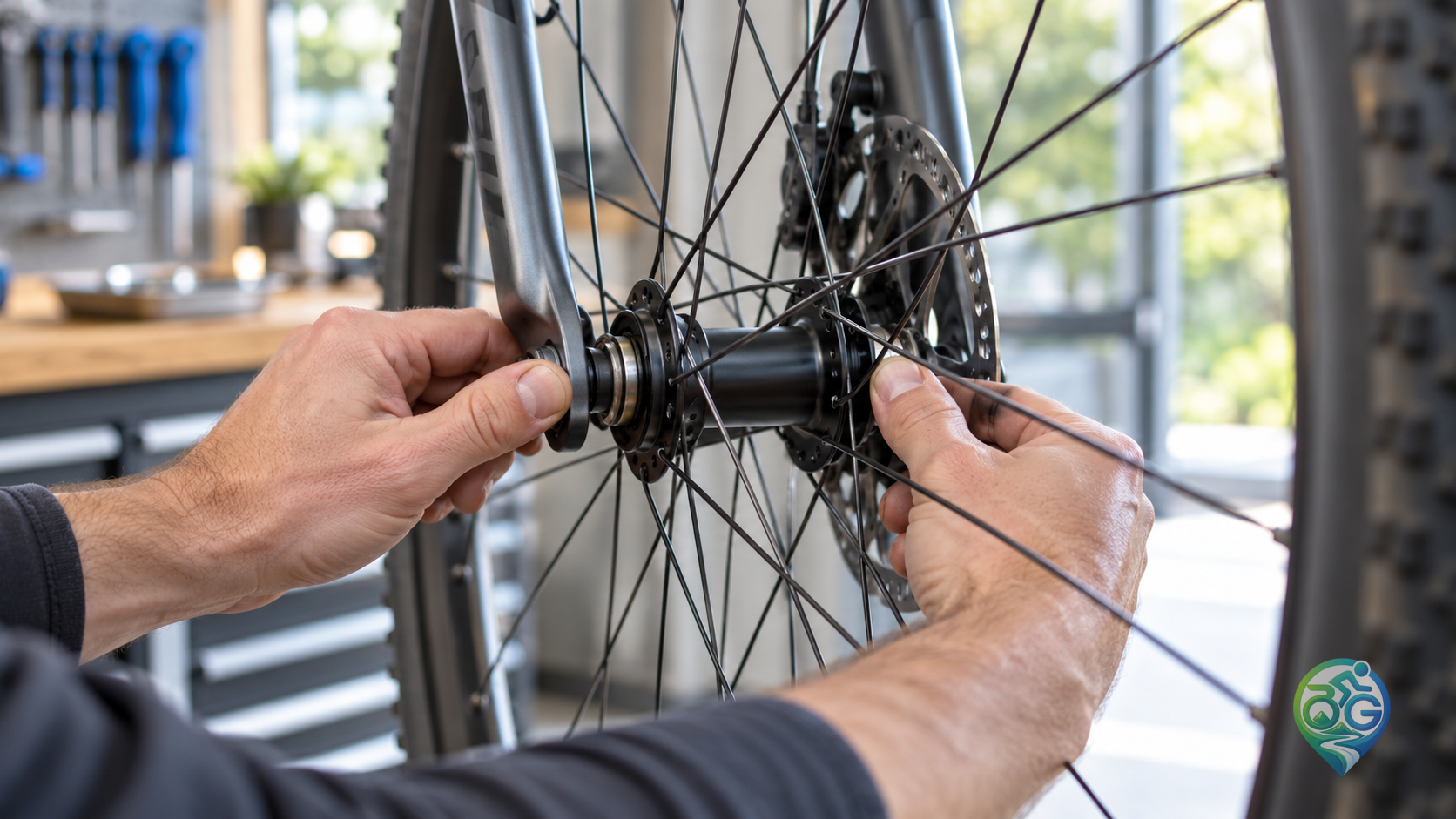
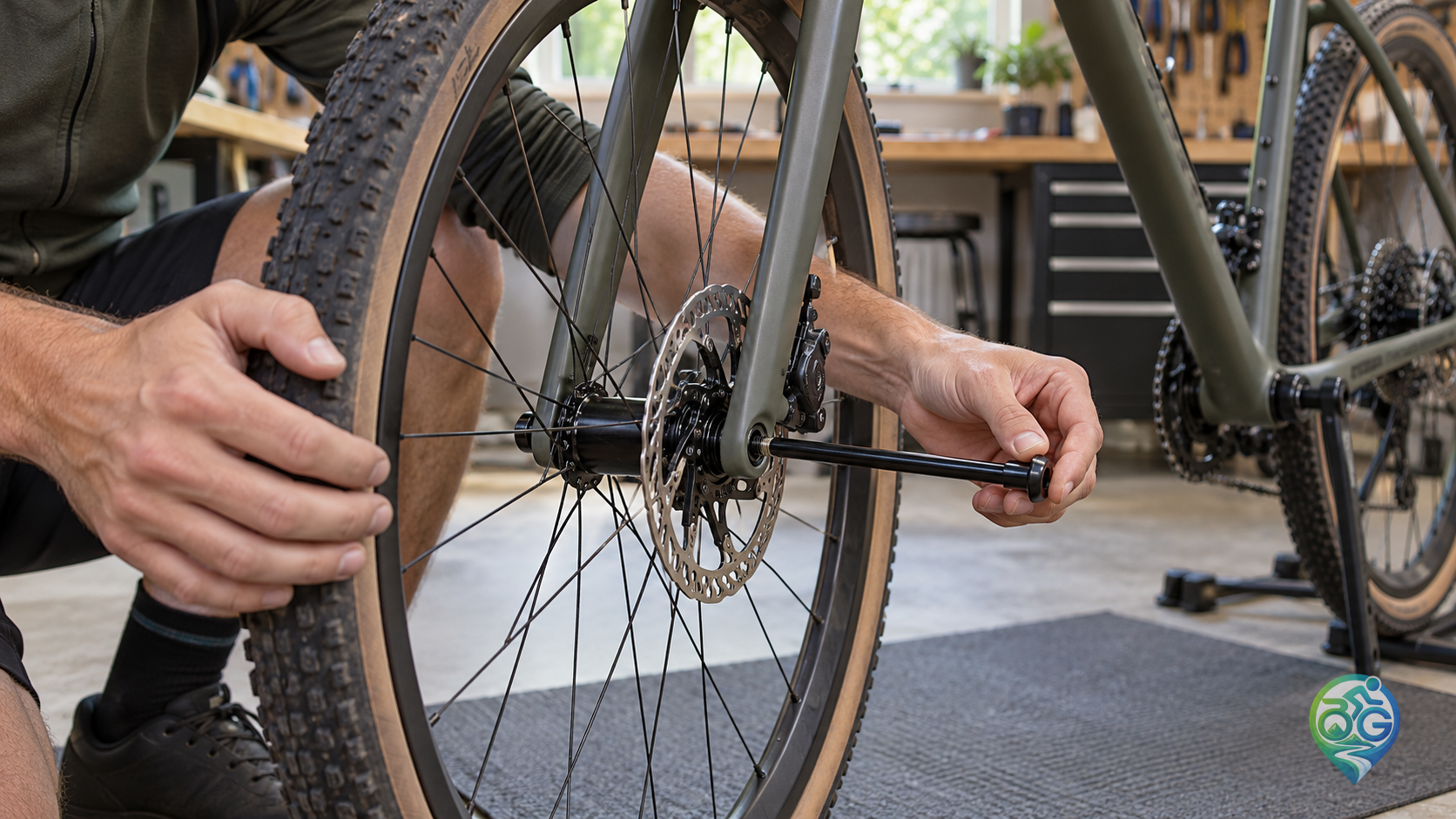
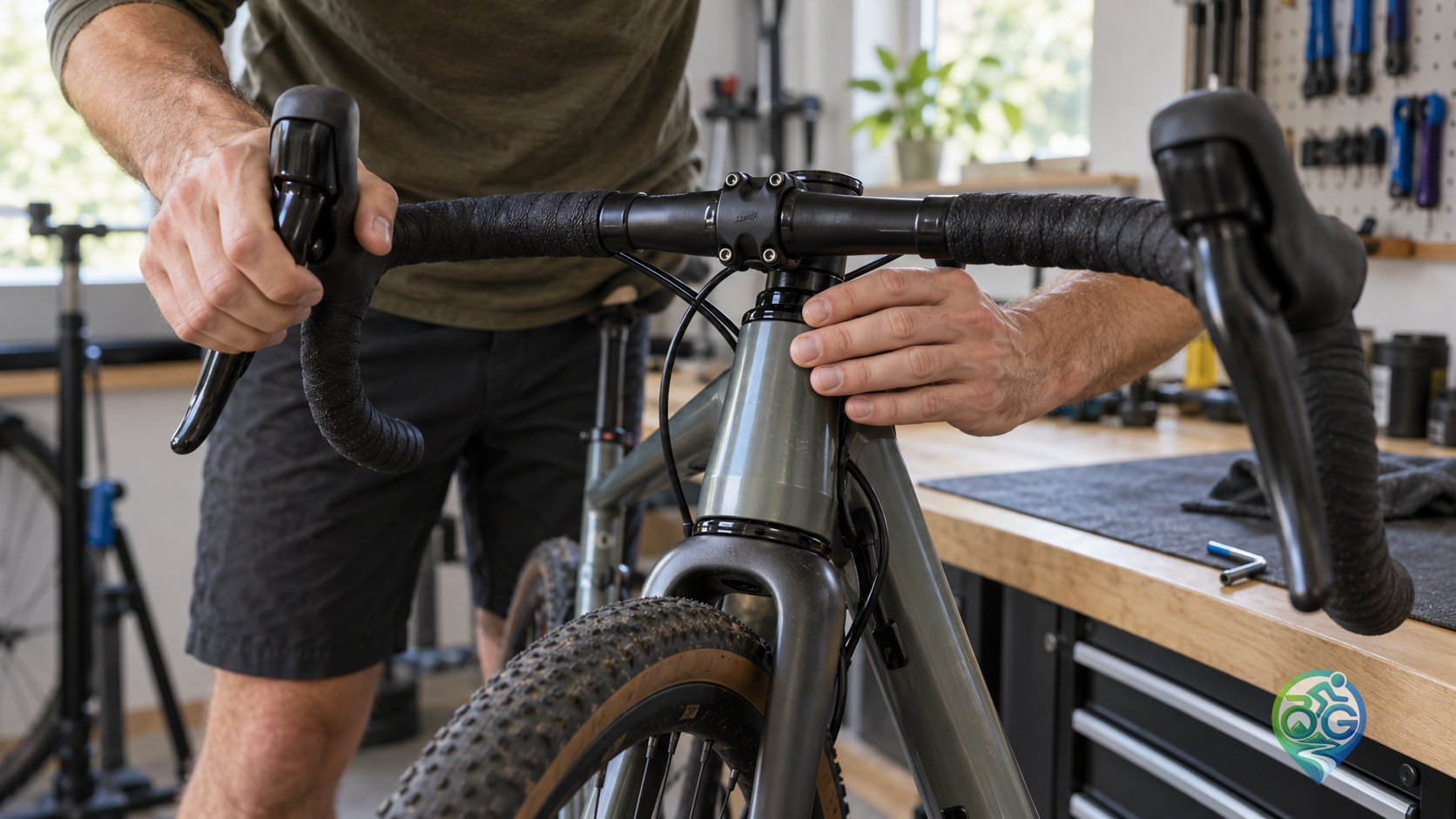
Turn the pedals by hand and check that the drivetrain runs normally. Squeeze the brakes and confirm they feel as expected before taking the bike outside. Look at the tyres for soap residue and, on a tubeless setup, check for fresh sealant leaks around the bead or valve. Handle the wheel carefully so the rim and valve are not knocked against hard surfaces. For sealant and tyre-system care, see our tubeless tyre maintenance guide. If you hear a new grinding noise, notice brake fade or see an e-bike warning after washing, do not ride until you have checked the relevant manufacturer instructions or had the bike inspected.
Technical references: Park Tool’s bicycle washing guide; Shimano maintenance and cleaning safety instructions.
Discussion & Comments 0
Share your thoughts, gear experiences or ask questions about this guide.
No comments yet.
Be the first to share your thoughts!
Join the Discussion
Log in with your Bisikletli Gezgin mobile account to participate in discussions and track your contributions.