
Stretching over ten thousand kilometres from the Barents Sea down to the Black Sea, the Iron Curtain Trail reaches the southeastern edge of Europe as it crosses into Turkish Thrace. The EuroVelo 13 Thrace stage connects border points from Bulgaria with the historic architecture of Edirne and the serene forest villages of Kırklareli along the foothills of the Strandzha mountains. Away from high-speed motorways, this corridor guides cycle tourers through rolling farmland, quiet secondary asphalt roads and ancient oak woods.
Border crossing logistics and approaching Edirne
Touring cyclists entering Turkey along this section typically choose between two primary border gates: Kapıkule near Edirne and Dereköy situated in the forested heights above Kırklareli. When crossing through Kapıkule on a bicycle, navigate toward the right-hand passenger vehicle lanes rather than queuing with commercial freight transport. The official EuroVelo 13 network routes riders away from heavy highway traffic, linking instead with calm country lanes following the Tunca and Meriç river basins.
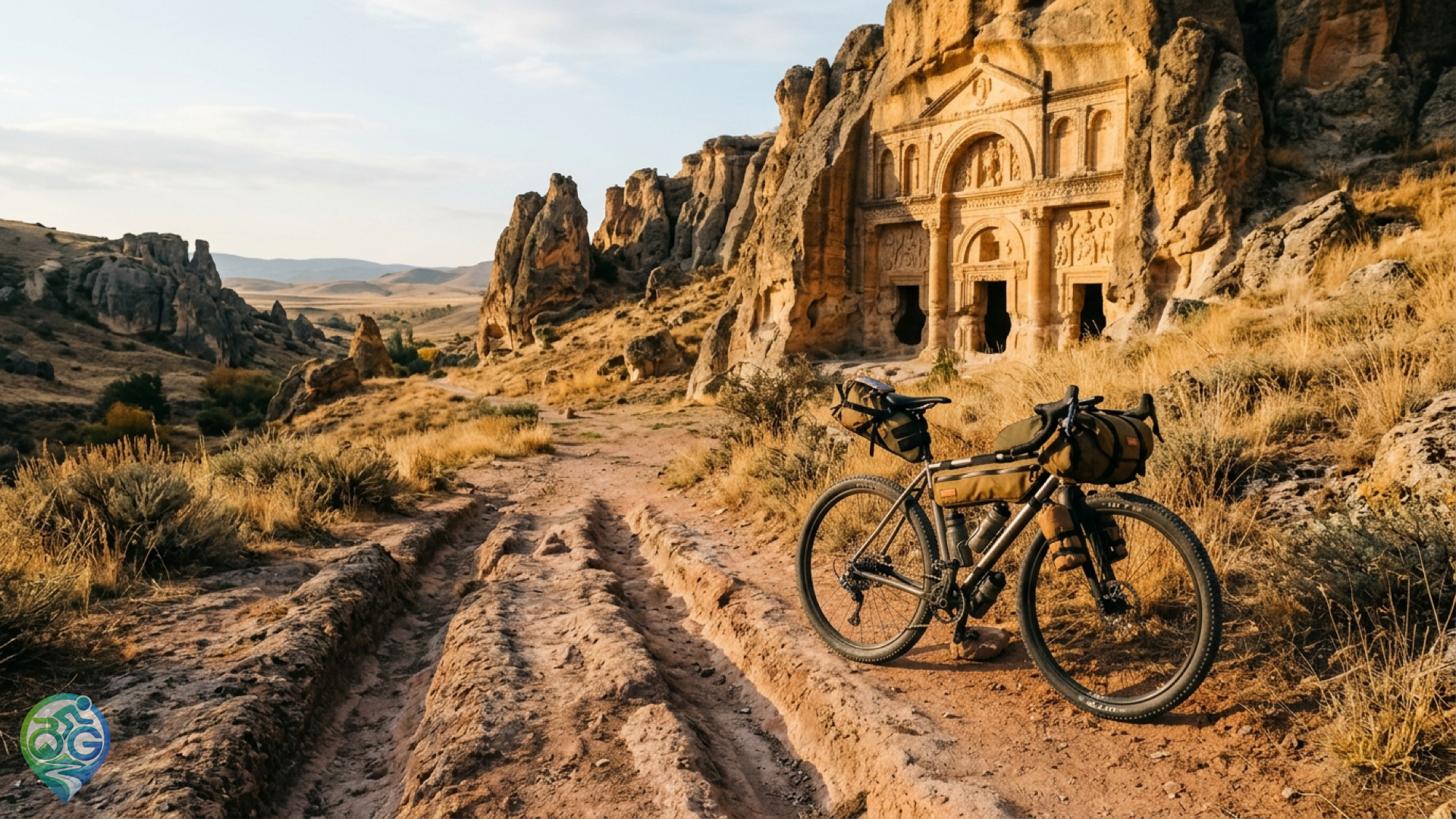
Reaching Edirne offers an exceptional architectural pause. The perimeter of Selimiye Mosque, historic Ottoman stone bridges and covered bazaars provide convenient repair spots and restful cafés. For cyclists who have experienced coastal EuroVelo routes in Turkey, Thrace presents a distinct agrarian landscape where endless sunflower fields give way to rolling pastures and deciduous woodlands.
Terrain and road surface from Edirne to Kırklareli
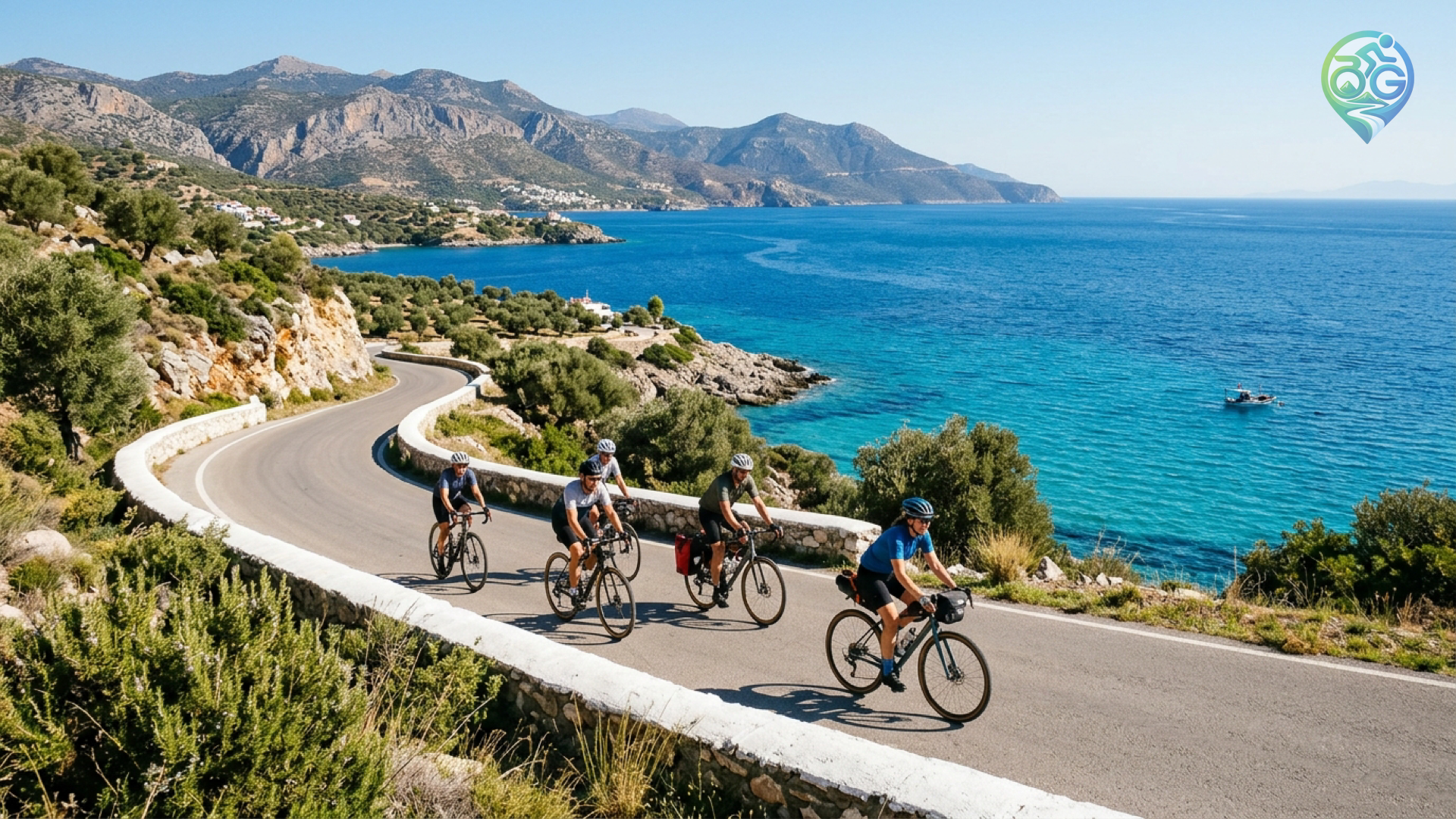
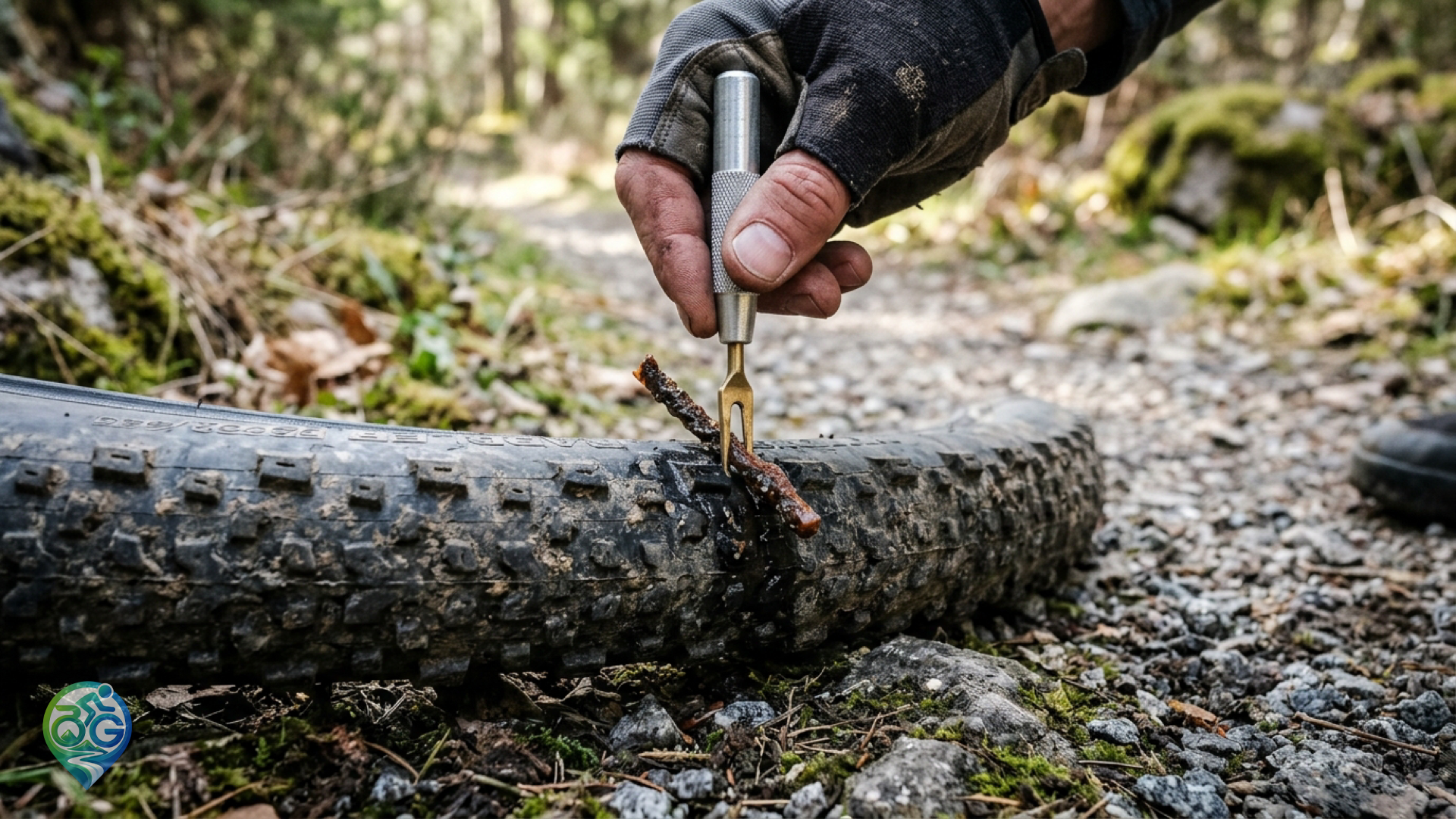
Riding eastward toward Kırklareli and the rural settlements around Demirköy, the terrain shifts from broad plains to steady undulating gradients. Slopes along this section rarely exceed four to six percent, rewarding riders with rhythmic climbs rather than sudden mountain passes. The tarmac on village roads is predominantly smooth, though gravel and loose soil deposited by farm machinery require measured descending speeds around blind rural corners.
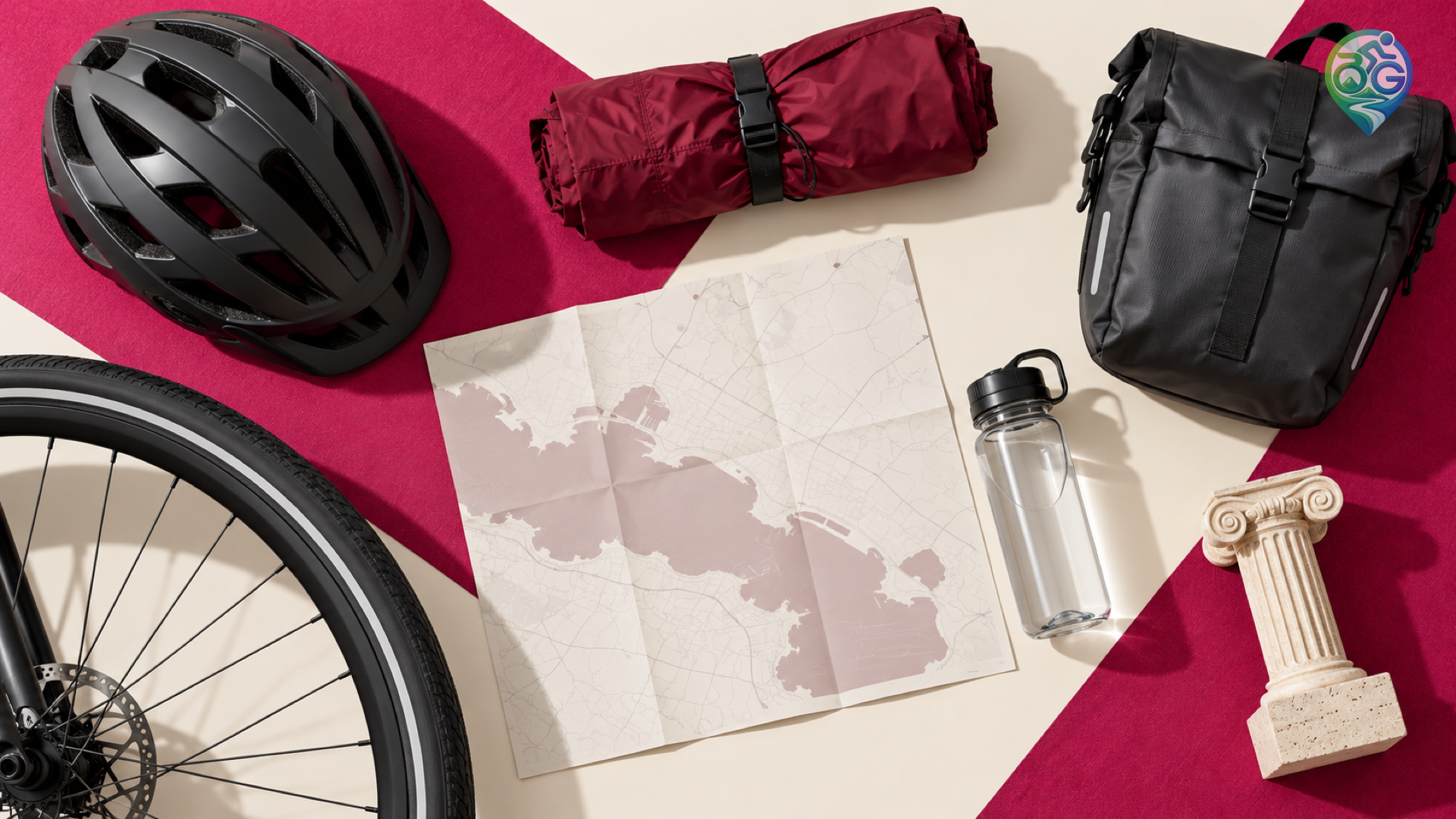
Because physical signage along secondary borders may not always show dedicated cycle waymarks, loading GPX tracks onto your GPS unit ensures reliable navigation between off-grid village junctions. Modern gravel bicycles with 38 mm to 45 mm tyres or standard touring bikes with sturdy panniers handle both the paved village connections and occasional hardpacked gravel detours effortlessly.
Water and resupply intervals
Village squares throughout Thrace feature public fountains fed by natural springs, making hydration straightforward on hot riding days. Small tea houses (kıraathane) in almost every hamlet serve as welcoming rest stops. Nevertheless, gaps of twenty to thirty kilometres between grocery stores can occur, so packing sufficient energy snacks before leaving district hubs remains wise practice.
Seasonal timing and overnight planning
Spring (April to May) and autumn (September to late October) offer the most pleasant cycling climate across Thrace. Summer brings dry inland heat that demands early morning starts, while winter ushers in brisk northerly Balkan winds. Autumn rides reward tourers with golden foliage, mild daytime temperatures and uncrowded rural hospitality.
Bikepackers will find ample wild camping opportunities in designated recreation zones and quiet woodland clearings with permission from local village elders. If choosing guesthouses or local hotels, arranging rural accommodation in Thrace with confirmed indoor bicycle storage ensures peace of mind. As documented on EuroVelo Turkey, ongoing route development continues to strengthen cyclist-friendly services along this historic frontier corridor.
Discussion & Comments 0
Share your thoughts, gear experiences or ask questions about this guide.
No comments yet.
Be the first to share your thoughts!
Join the Discussion
Log in with your Bisikletli Gezgin mobile account to participate in discussions and track your contributions.