
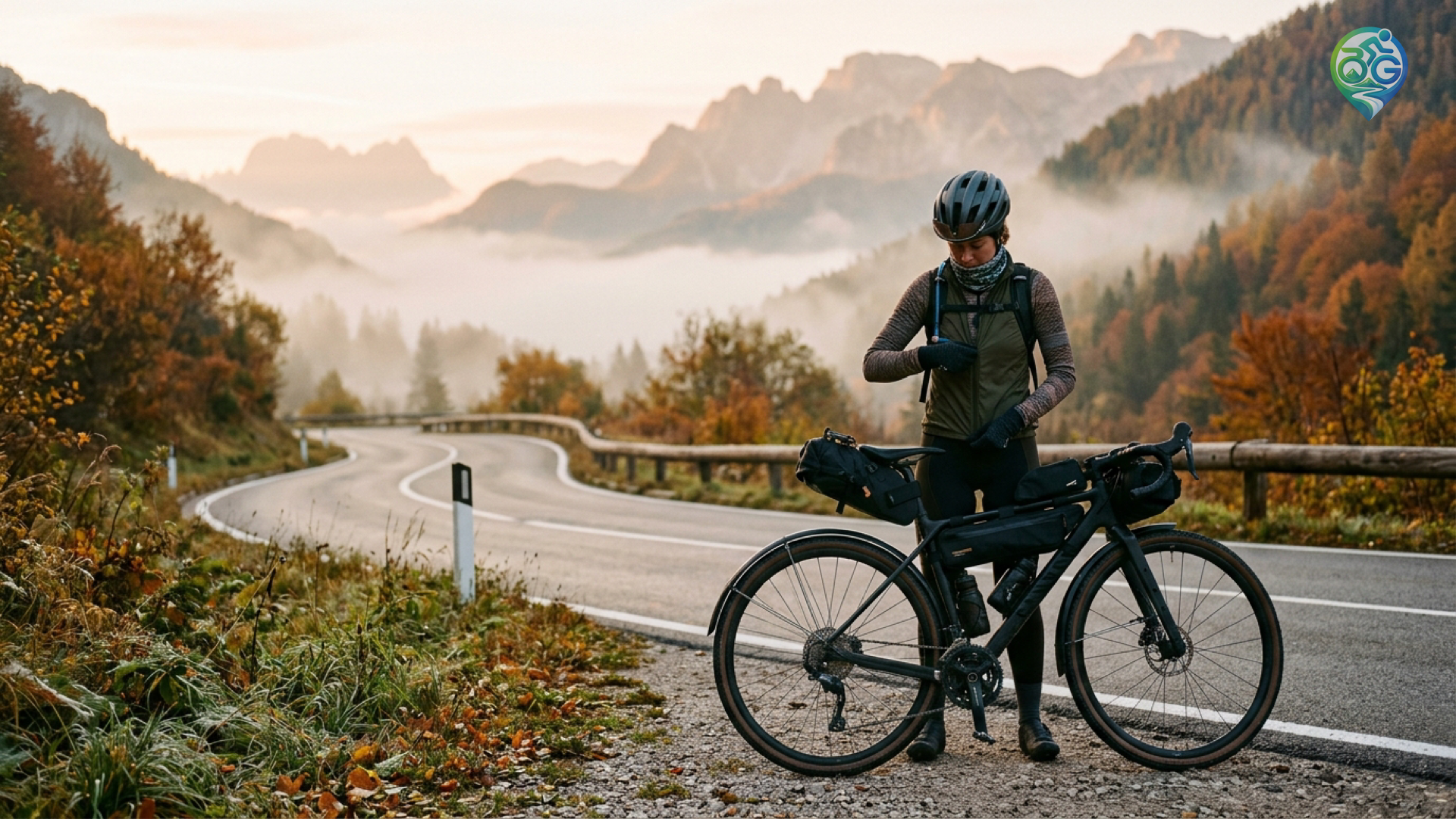
The most common mistake cyclists make when temperatures drop is bundling up in heavy, bulky coats. Fifteen minutes into your ride, your leg muscles generate tremendous metabolic heat, causing heavy perspiration that thick cotton or non-breathable jackets simply trap. Once you reach a summit and begin a high-speed descent, that sweat-soaked fabric cools rapidly against your skin, triggering intense shivering and rapid core heat loss. Following an effective cycling layering guide solves this problem by using separate, modular layers designed to wick moisture, trap insulating air, and block chilling headwinds. Striking the right balance allows you to climb without overheating and descend without freezing across variable autumn and winter conditions.
Keeping skin dry: Base layer selection and moisture transfer
Your primary defence against the cold is not insulation, but dryness. A technical base layer worn flush against the skin pulls perspiration away from your pores and passes it to the outer garments. Cotton shirts must never be worn on a bicycle because cellulose fibres absorb moisture like a sponge and dry very slowly. Instead, choose a sleeveless or long-sleeve base layer crafted from synthetic fibres (polypropylene or polyester) or fine merino wool. Merino wool is particularly prized for multi-day bikepacking trips because its natural keratin fibres retain thermal efficiency even when damp and naturally resist bacterial odour. Balancing your effort on steep gradients by maintaining a steady cadence and effort management prevents excessive spikes in heart rate and sweat production, allowing the base layer to work efficiently.
Trapping warmth and deflecting drafts: Thermal jerseys and gilets
The second layer—typically a fleece-lined, long-sleeve thermal jersey—provides insulation by trapping a micro-climate of warm air next to your torso. However, knit jerseys are naturally porous; riding into a 25 km/h headwind pushes cold air directly through the weave, stripping away accumulated warmth. Rather than wearing an impermeable heavy jacket, pairing your thermal jersey with a packable cycling windbreaker jacket or a windproof gilet creates versatile protection. A lightweight vest blocks chest chill on descents while mesh back panels dump excess heat on long climbs. When confronting persistent rain and road spray alongside cold winds, integrate specialized waterproof membranes outlined in our guide to cycling in the rain and outer layer protection.
Safeguarding extremities: Hands, feet, and neck insulation
When exposed to low temperatures, the human body vasoconstricts, shifting warm blood flow from the extremities to vital internal organs. As a result, fingers, toes, and ears chill long before your core feels cold. Selecting proper winter cycling clothes requires dedicated attention to these vulnerable points. Maintaining dexterous brake and shifter control demands windproof, lightly insulated cycling gloves for cold weather. For your feet, neoprene toe covers or full shoe overshoes block freezing airflow through shoe sole vents. A lightweight merino neck gaiter and an under-helmet skull cap protect your throat, ears, and temples from icy drafts. Incorporating these compact layers into your long-distance cycling tour preparation ensures all-day comfort and safety across unpredictable seasonal weather.
Discussion & Comments 0
Share your thoughts, gear experiences or ask questions about this guide.
No comments yet.
Be the first to share your thoughts!
Join the Discussion
Log in with your Bisikletli Gezgin mobile account to participate in discussions and track your contributions.