A long bike tour is not simply a short ride with more kilometres added. An easy first hour can turn into a hard final section when the saddle is slightly wrong, the water plan is vague or the pace starts too high. Good long-distance cycling preparation is about preserving options: keep enough energy for the return, and solve small problems before they become reasons to stop. Whether you are aiming for your first 100 km or preparing for a multi-day tour, use the following framework and adjust it to your own riding.
Define the ride before choosing the distance
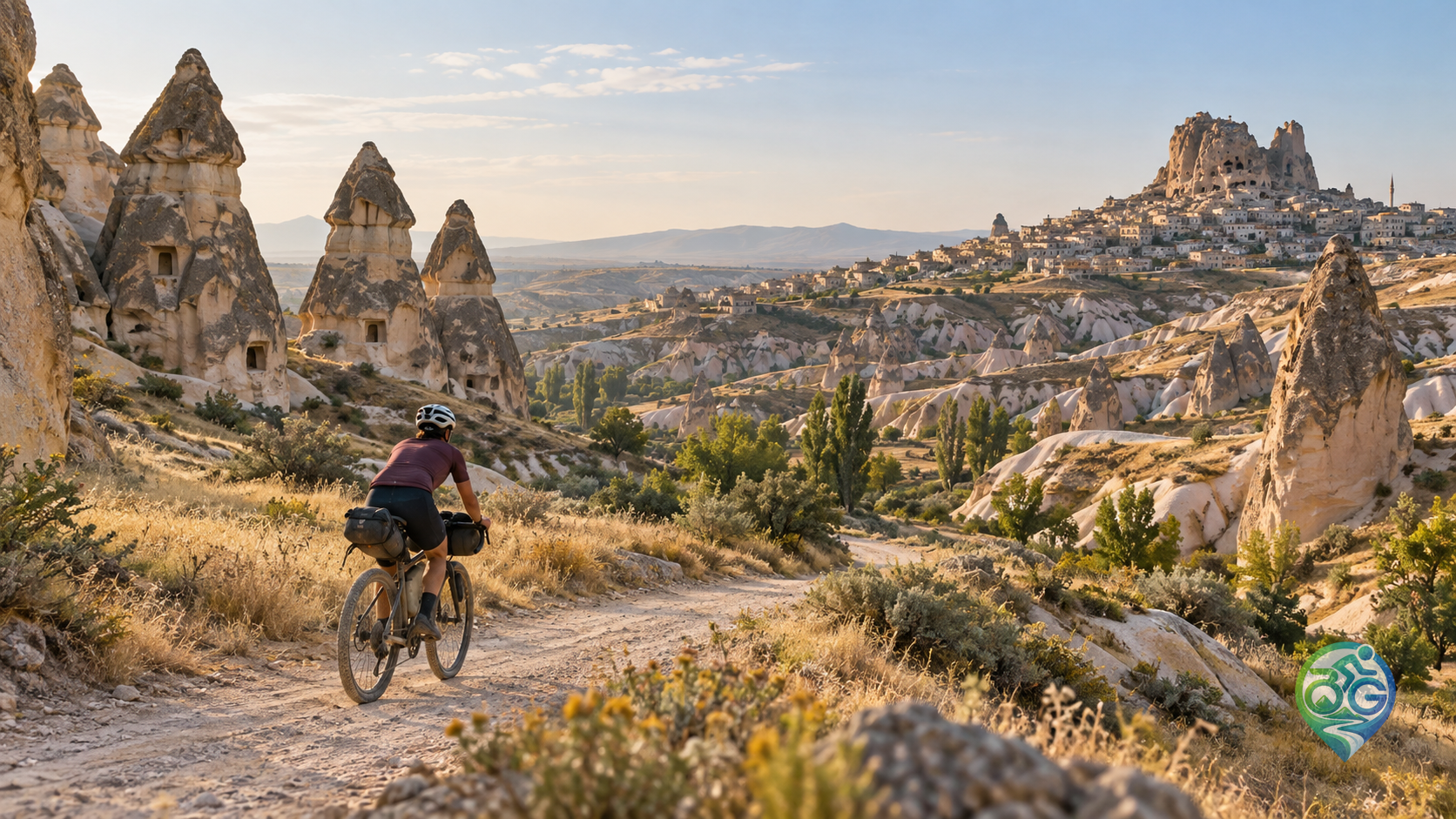
Start with the purpose of the day. Is this a steady endurance ride, a way to reach another town or a scenic tour with plenty of stops? The same distance feels completely different with climbing, wind and unpaved sections. Increase your longest weekly ride in manageable steps rather than adding half as much again in one go. Check the total elevation, the longest climb and the realistic turnaround point before you leave. Our gear adjustment guide can help you make sure the bike will shift cleanly when the road turns upward.
Keep the first hour deliberately easy
The most common mistake on a long tour is matching the fastest rider in the group from the start. A conversational effort for the first 20–30 kilometres leaves room for heat, headwinds and the final climb. On hills, change gear early and keep the pedals turning instead of waiting for your legs to burn. If you use heart-rate or power data, stay in the endurance range you already know. Without a device, the ability to speak in full sentences is a useful guide; ease off before fatigue forces you to.
Eat and drink before you feel empty
Hunger and thirst rarely begin at the moment you notice them. Check your bottles by the end of the first hour and take small, regular sips rather than waiting for a long stop. Start with a snack your stomach already knows: a sandwich, banana, dried fruit or a simple energy bar. Do not assume that every fountain or village shop on the route will be open. Mark a backup stop and carry one emergency snack. A route that looks easy on a map can become much more demanding when the only café is closed.
Make the bike familiar before the tour
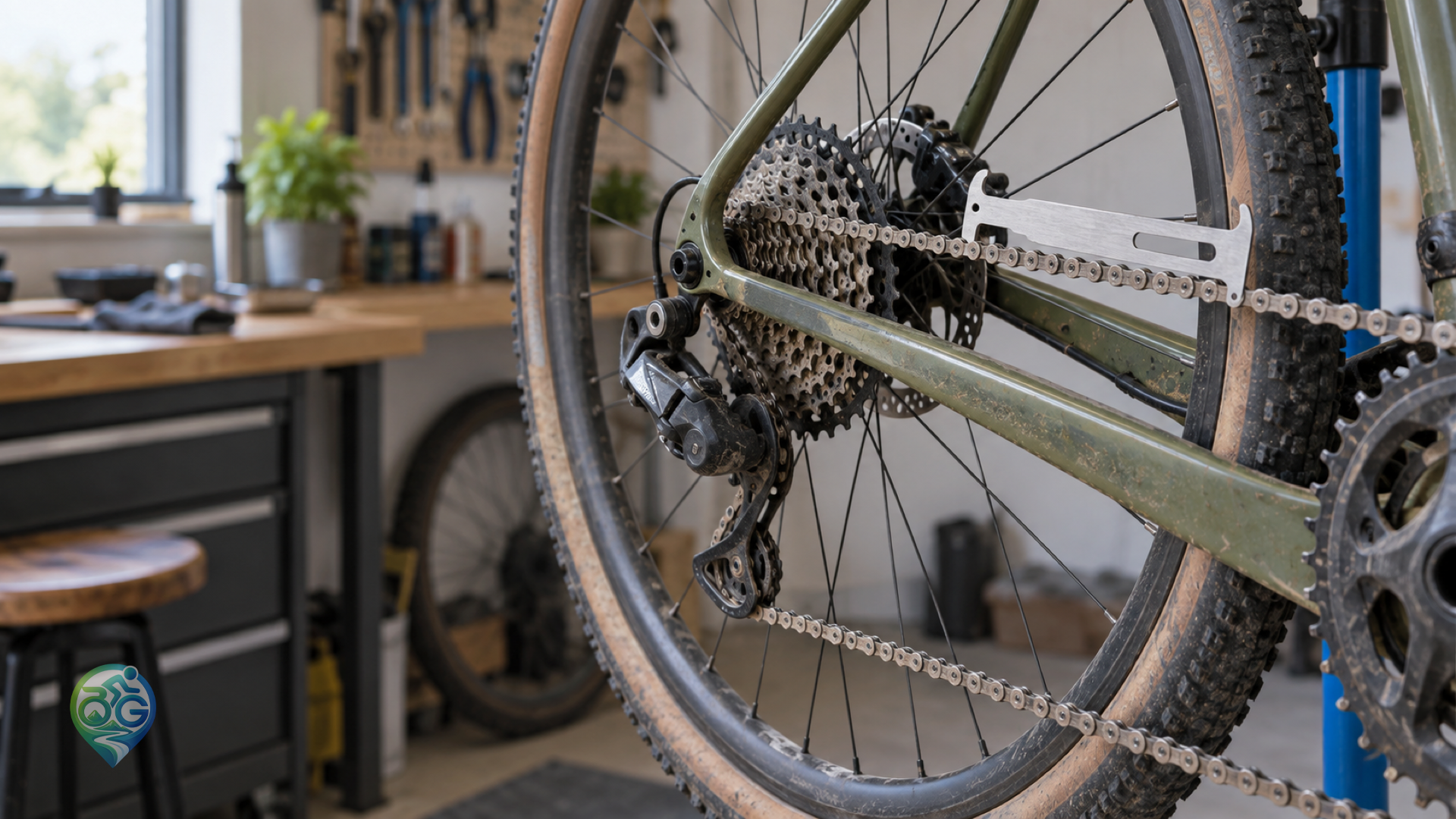
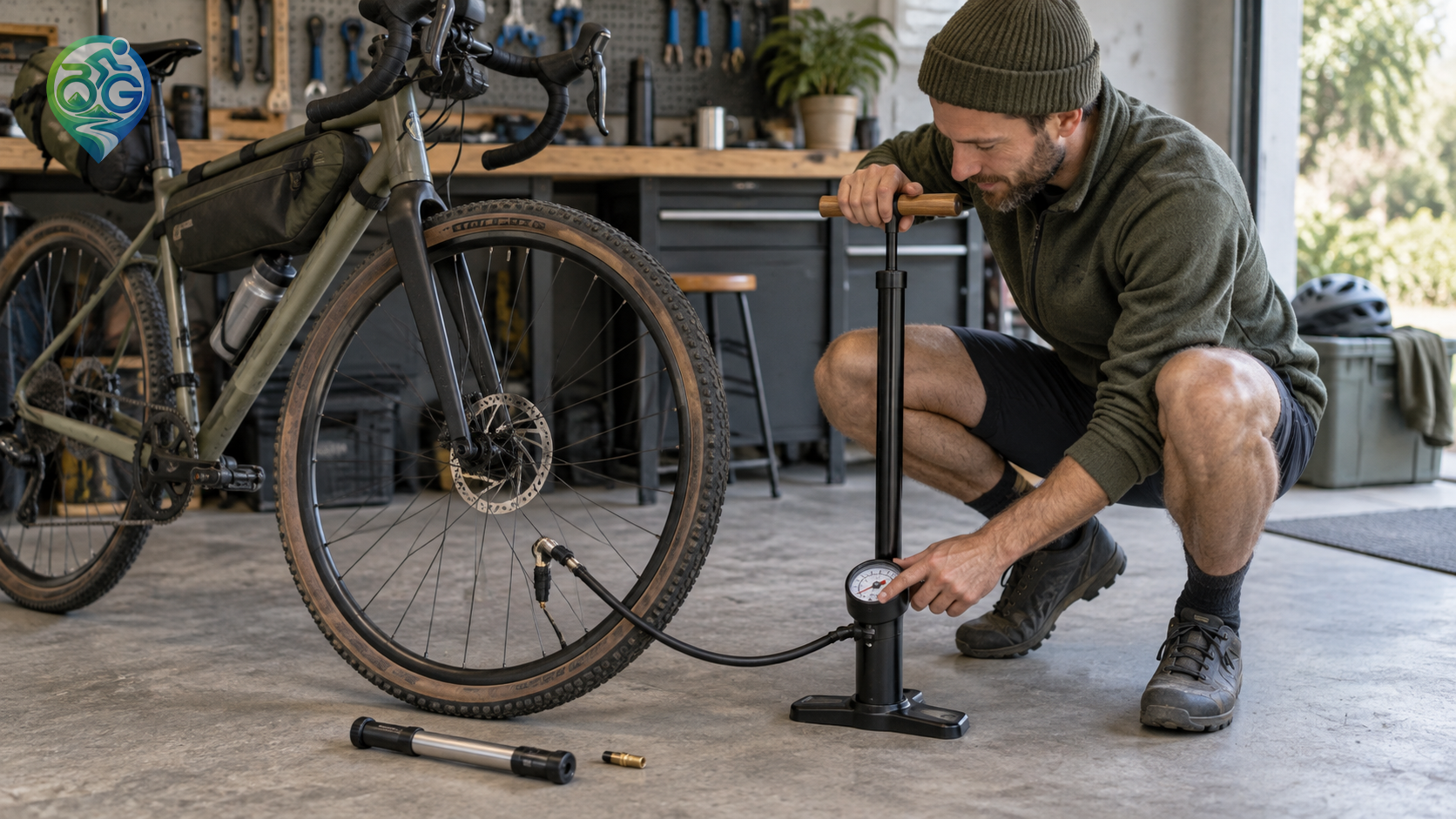
A long ride is a poor place to test a brand-new component. The evening before, check brake feel, shifting, tyre pressure, chain and wheel attachments. The chain cleaning and lubrication guide is a useful reminder to use enough lubricant without leaving a magnet for dust. If the rear derailleur is hesitant, sort it out with the bicycle gear adjustment guide before departure. Pack tyre levers, a spare tube, a mini pump, a multi-tool and backup power for your phone.
Comfort is part of performance
A small contact-point issue grows with every hour. Set saddle height and reach before the day, then listen to your body during the first kilometres instead of making constant changes on the road. Our bicycle saddle-height guide can help you understand the relationship between knee comfort and a stable position. Move your hands between safe positions and use clothing that manages sweat. If the forecast is uncertain, a light shell and spare socks are often more useful than one heavy jacket.
Plan breaks before the ride forces one
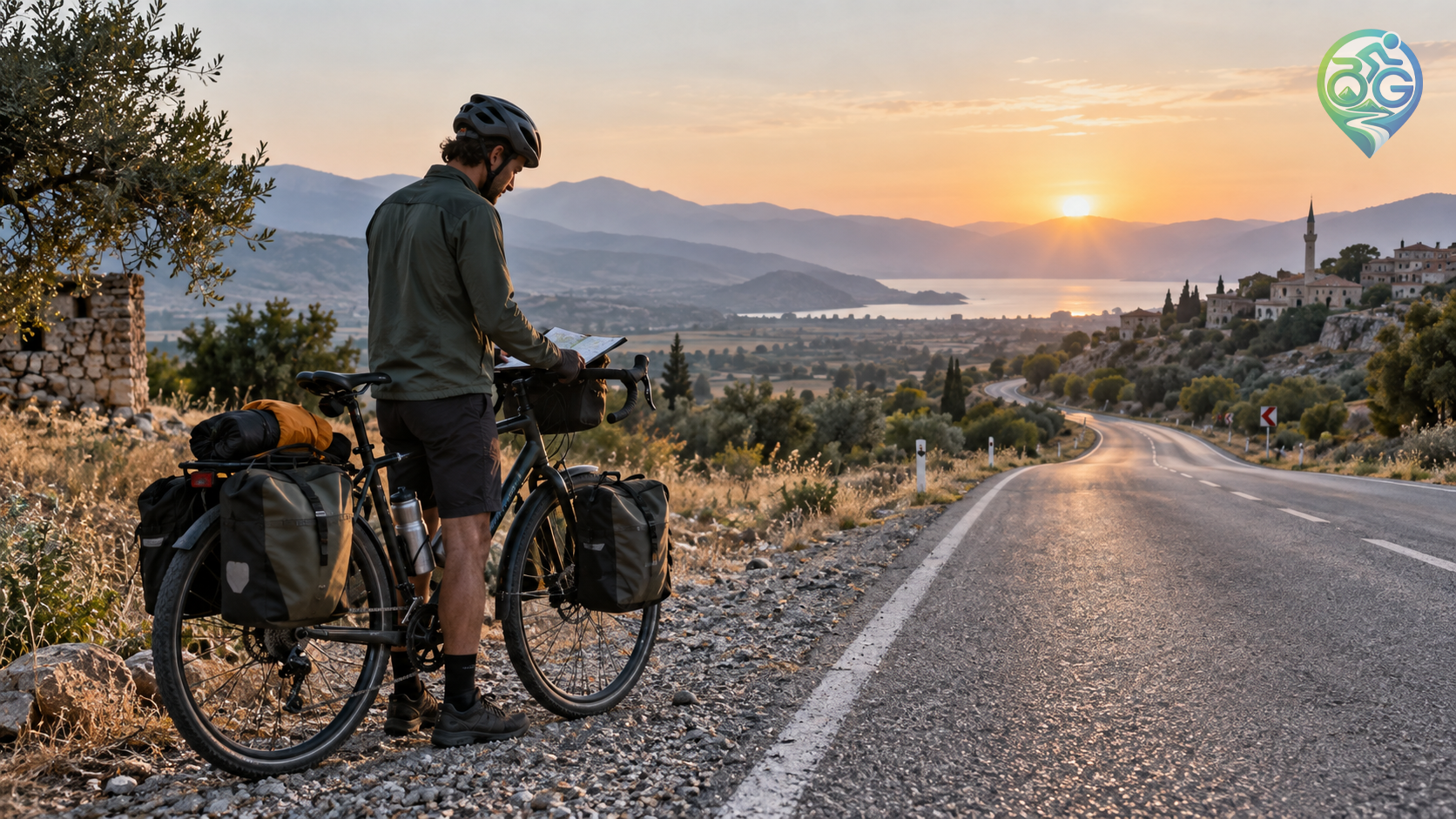
You do not need a long café stop every hour, but short pauses for food, water and a quick bike check keep the final section from becoming a survival exercise. Stopping before a long climb is usually more comfortable than stopping halfway up it. Watch daylight, traffic and the expected return time. Shortening the route when the day is going badly is good judgement, not failure. For a bikepacking trip, pair your load plan with the checks in our tubeless maintenance guide.
Review the ride afterwards
When you arrive, drink, eat an ordinary meal and walk gently for a few minutes before dropping the bike in the corner. Note when the ride became difficult, where you refilled, what you never used and which item you wished you had. Your next long-distance bike tour will feel calmer because the plan is based on your own experience rather than a generic packing list. The aim is not to prove that you can suffer for 100 km; it is to finish with enough energy to enjoy where the road took you.