
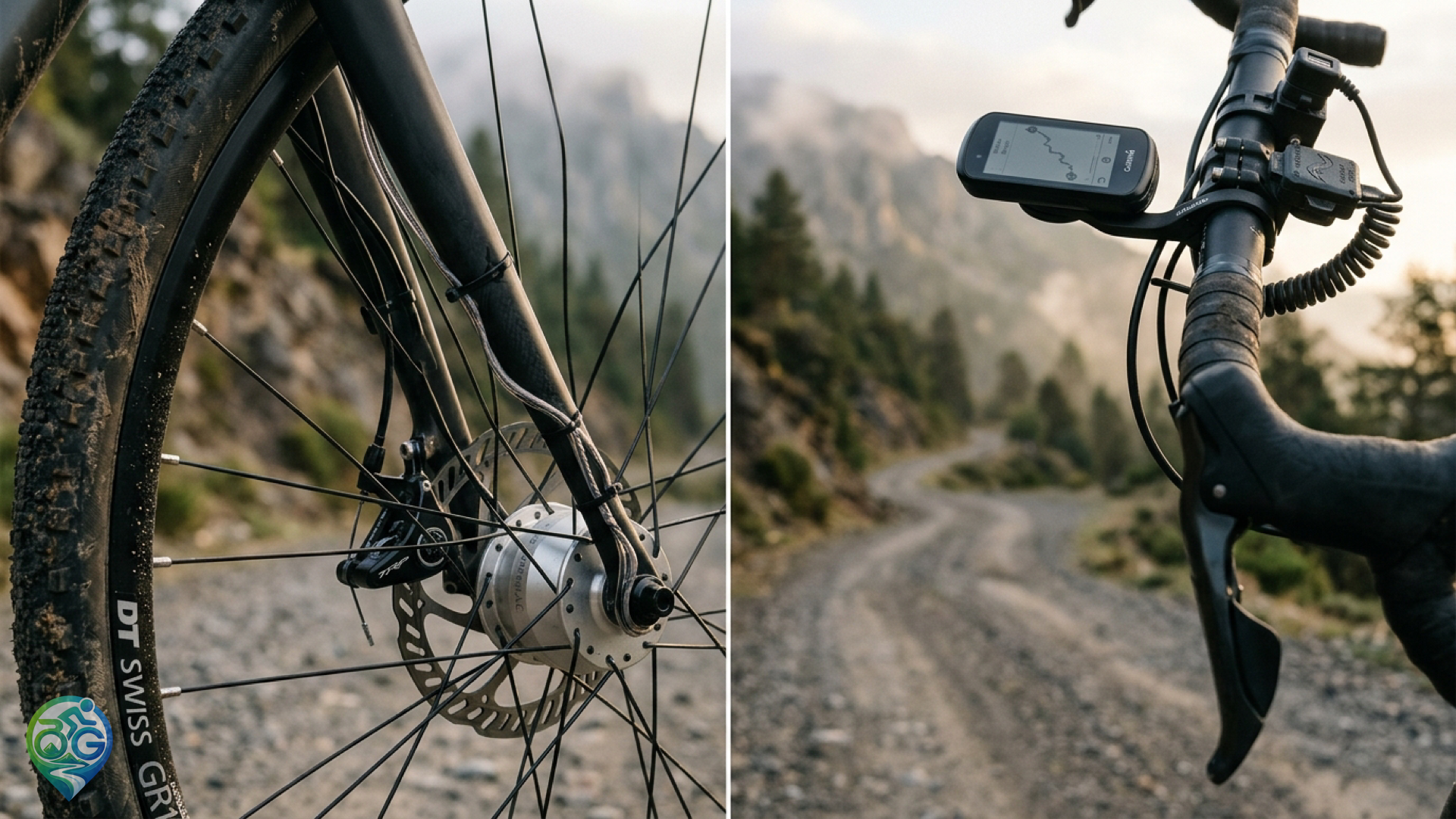
When touring remote mountain corridors or embarking on self-supported bikepacking expeditions, running out of electrical power poses a serious challenge. Backlit navigation computers, smartphones, and tracking devices consume battery reserves quickly where wall outlets simply do not exist. While solar panels struggle under heavy cloud cover, morning mist, and dense tree canopies, setting up a **bicycle dynamo hub USB charging** system transforms your pedal strokes into a reliable, constant power source. Generating off-grid electricity directly from your front wheel grants genuine self-reliance, freeing your multi-day itinerary from commercial lodging stops or power grids.
Dynamo hub mechanics and rolling resistance explained
Unlike outdated bottle dynamos that pressed against the tyre sidewall creating noticeable drag and tyre wear, modern dynamo hubs house permanent neodymium magnets and copper stator coils entirely within the front wheel hub shell. As the wheel spins, clean alternating current (AC) is generated with negligible mechanical friction. Making an informed **dynamo hub selection** ensures resistance remains minimal—typically absorbing only 1 to 3 watts of kinetic energy, an imperceptible fraction of a loaded touring rig’s momentum. Sealed cartridge bearings protect internal electronics against torrential downpours, gravel dust, and stream crossings for tens of thousands of maintenance-free kilometres. Combining your front generator hub with durable dynamo-compatible bicycle lights ensures robust nighttime visibility without requiring frequent battery swaps or searching for electrical wall outlets at campsites.
Regulating volatile voltage: USB converters and buffer batteries
Bicycle dynamos produce variable AC voltage proportional to your wheel speed, whereas smartphones and sensitive GPS head units require a stable 5-volt direct current (DC) supply. When grinding up steep mountain passes at 8 km/h, raw electrical output drops; during high-speed descents above 40 km/h, unmanaged voltage surges. A specialised steerer-tube or fork-mounted AC-to-DC converter regulates this supply cleanly. In a resilient **bikepacking power setup**, you should avoid connecting delicate smartphones directly to the converter; intermittent charging cut-offs caused by sudden stops can trigger screen wake-ups that drain more battery than gained. The professional solution routes dynamo power through pass-through powerbank capacity and buffer batteries, delivering continuous, uninterrupted current to downstream electronics.
Wiring routing, weatherproofing, and field performance
Long-term reliability hinges on tidy cable management along the fork leg. Route wiring through internal fork conduits when available, or secure external leads using heat-shrink sleeves and zip ties to prevent snagging on trailside branches. When powering dedicated cycling GPS navigation computers, a steady touring pace between 15 and 22 km/h delivers approximately 5 watts (5V, 1A) of clean output, keeping your navigation screens active while trickling surplus current into your buffer pack. Integrating wheel spoke tension checks into your long-distance cycling tour preparation guarantees complete navigational independence across the most remote wilderness trails, ensuring complete peace of mind on multi-week cycling adventures.

Discussion & Comments 0
Share your thoughts, gear experiences or ask questions about this guide.
No comments yet.
Be the first to share your thoughts!
Join the Discussion
Log in with your Bisikletli Gezgin mobile account to participate in discussions and track your contributions.