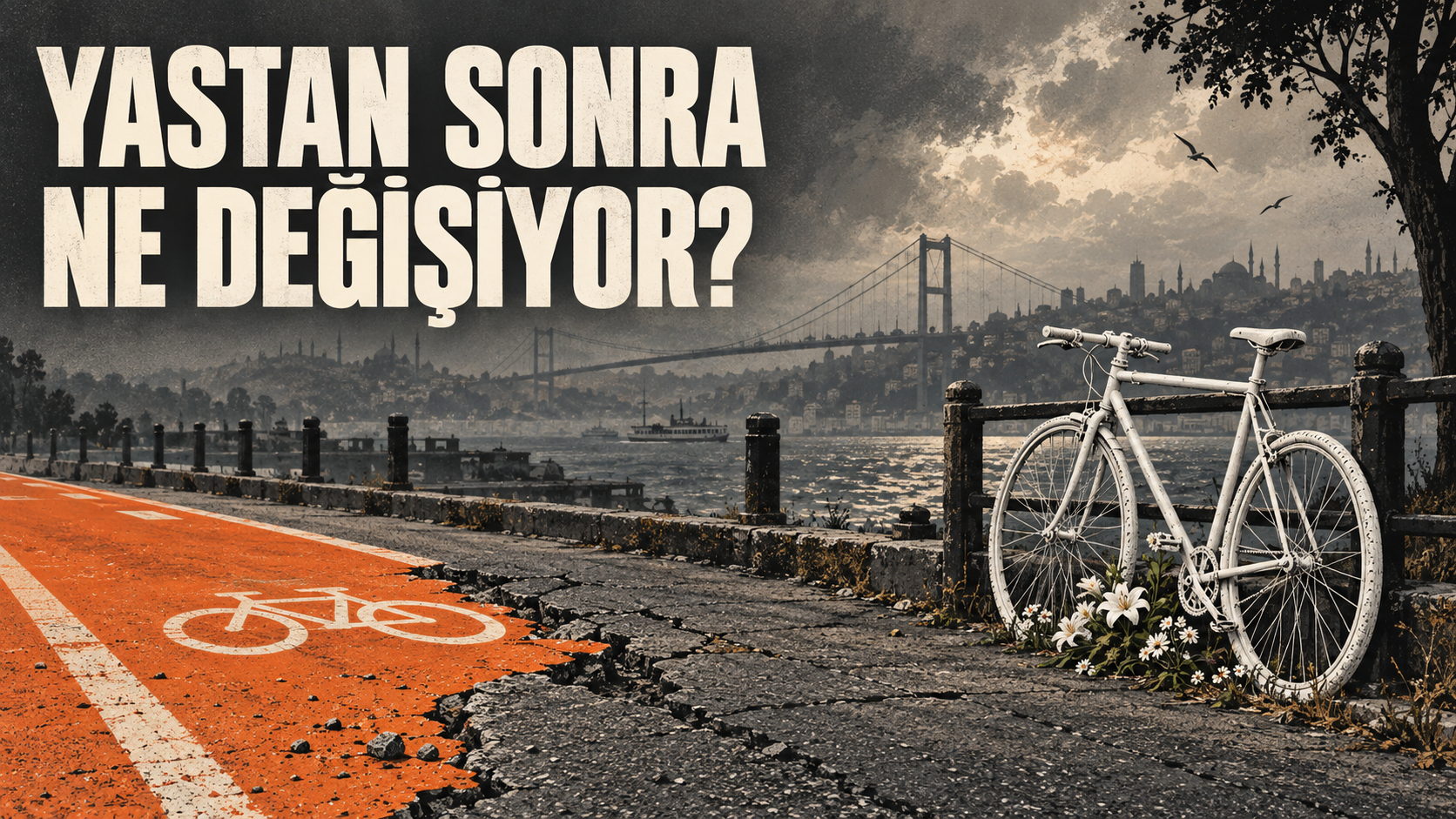
When a member of our community dies, we come together. We write condolences, become angry and meet on memorial rides. Then everyday life continues. The difficult question is what demand we keep following after the first wave of grief has passed.
Grief deserves respect; accountability needs continuity
People mourn differently and return to work, training or family life at different times. Continuing to ride does not make anyone indifferent. At the same time, if we forget the promises made after a loss, our public response becomes easier to ignore. A community can protect both private grief and a sustained demand for safer roads.
Turn danger into a trackable request
When a junction, pothole or missing separation creates danger, record its location, date and a safe photograph. Send the issue to the responsible institution, keep the application number and ask for the result. A shared, privacy-conscious list can show whether a problem was acknowledged, repaired or left unresolved.
Ask institutions for measurable progress
Counting kilometres of bike lanes is not enough. Can people reach work, school or a station safely? Does the route continue through intersections? What happens when parked cars block it? Is the infrastructure maintained? These questions give residents and cyclists a way to evaluate a project beyond its announcement.
Organize before the next tragedy
Local groups can assign a small team to follow safety requests, publish written updates and support affected families while respecting their wishes. Federations, associations and public bodies should explain which recommendations were adopted, which were rejected and what the next date for review will be.
We should be able to open the same file one month, six months and one year later: What did we ask for? Who answered? What changed? Planning the next step for safe roads while planning the next ride is one way to keep remembrance connected to responsibility.