A gravel bike earns its versatility by moving between tarmac, hardpack, loose stone and occasional trail. That makes tyre choice less straightforward than the old idea that a narrower tyre is always faster. When comparing gravel tyres, start with the surfaces that make up most of your rides, then check rim compatibility, clearance and the combined weight of rider, bike and luggage.
Start with the surfaces you really ride
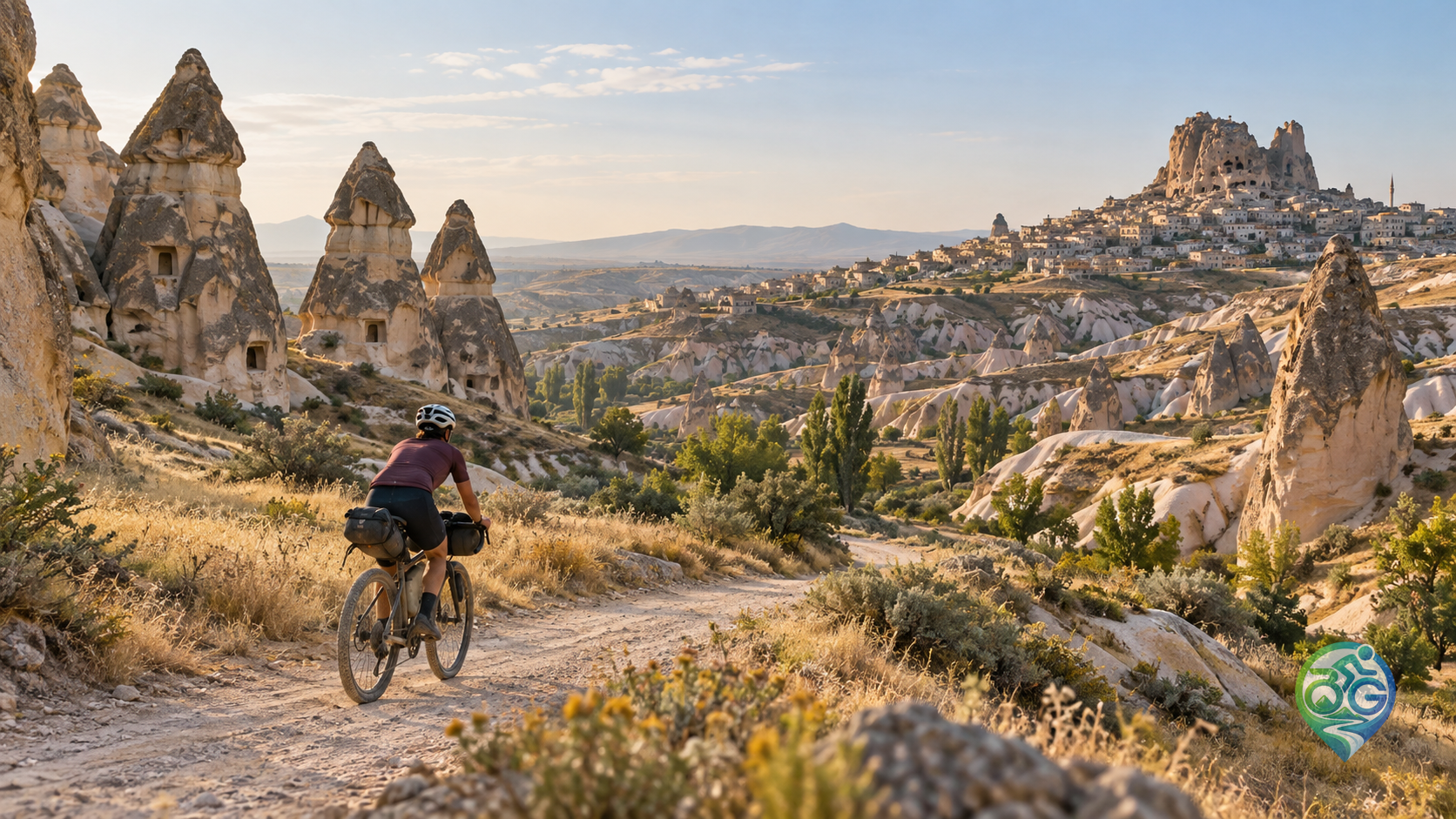
A compact, closely spaced tread suits a bike that spends most of its time on smooth roads with regular hardpack detours. If loose gravel, dirt and short trail sections define the route, more pronounced shoulder tread can add confidence while cornering. Wet roots, mud and sharp stones also make casing protection important. The word “gravel” on a sidewall does not describe one universal use case.
What tyre width changes
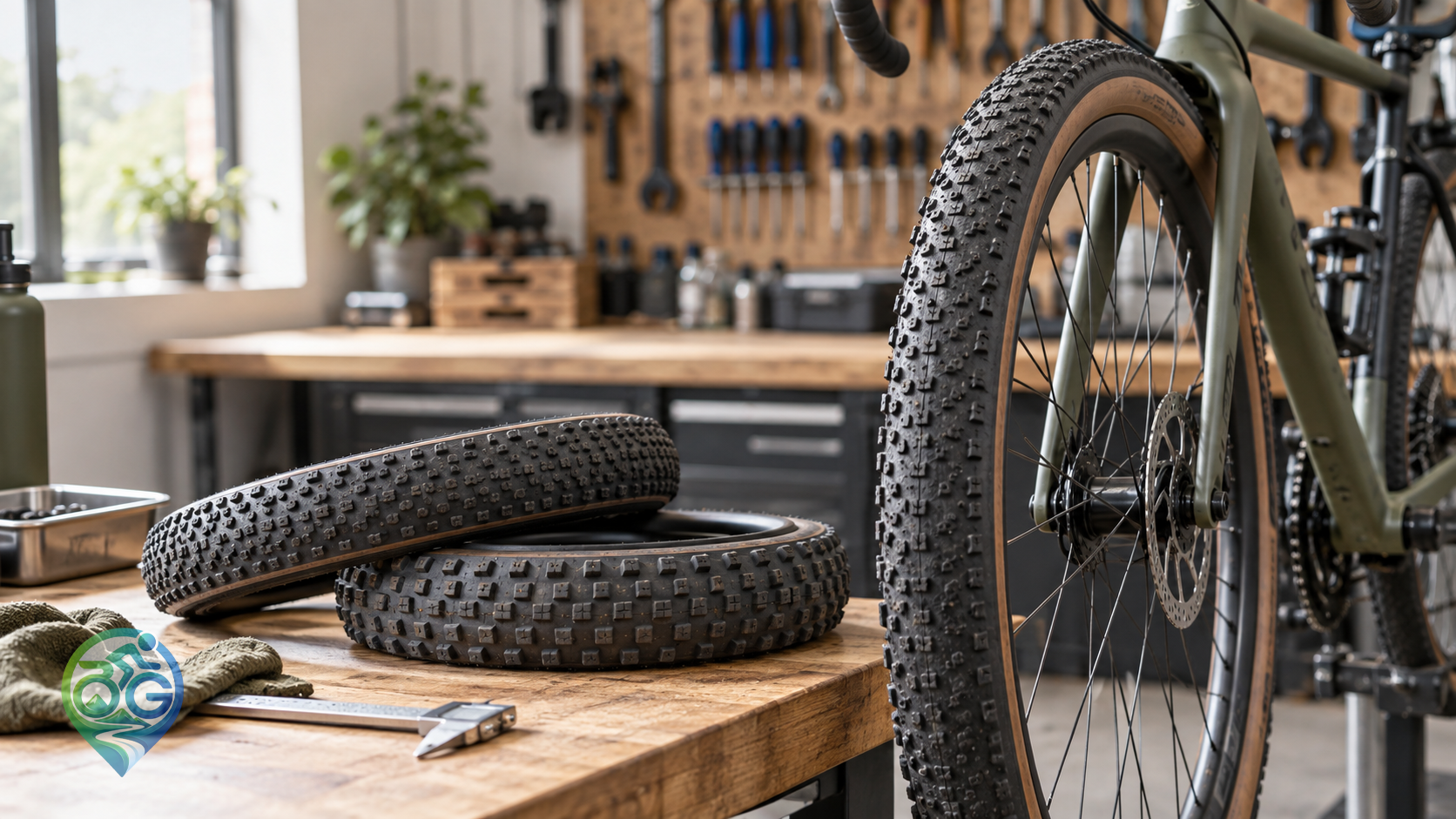
A wider tyre can offer more comfort and grip at a suitable pressure, but it also needs enough frame, fork and mud clearance. A narrow option may feel lively on tarmac yet wander more readily on loose surfaces and give the rim less protection from impacts. Check the bicycle and rim maker’s limits before relying on the size printed on the tyre. Actual width can change with internal rim width, so measure the mounted tyre when possible.
Tread versus rolling speed
A low, tightly packed centre tread rolls smoothly on pavement. Open, taller knobs can brake and steer more predictably on loose gravel, but they add noise and resistance on hard ground. A mixed-surface touring tyre with a fast centre and supported shoulders is often a sensible compromise. There is no universally best pattern; the proportion of tarmac and how the route behaves after rain are better decision criteria.
Tubeless compatibility and pressure
A correctly fitted tubeless system can improve comfort at lower pressure and seal some small punctures. The tyre and rim must be compatible, and the tape, valve and sealant need to be installed correctly. Our tubeless setup and maintenance guide covers leak checks and routine care. Tubeless does not remove pressure limits: too little pressure can still cause rim strikes or let the tyre unseat.
Set pressure for the whole load
Gravel pressure depends on more than tyre size. Rider, water and luggage change how much the casing deflects, and the rear wheel often carries more weight than the front. Equal front and rear pressures are not automatically ideal. Use the approach in our bicycle tyre pressure guide as a starting point, then make small, controlled changes on familiar terrain.
Casing choice for touring and bikepacking
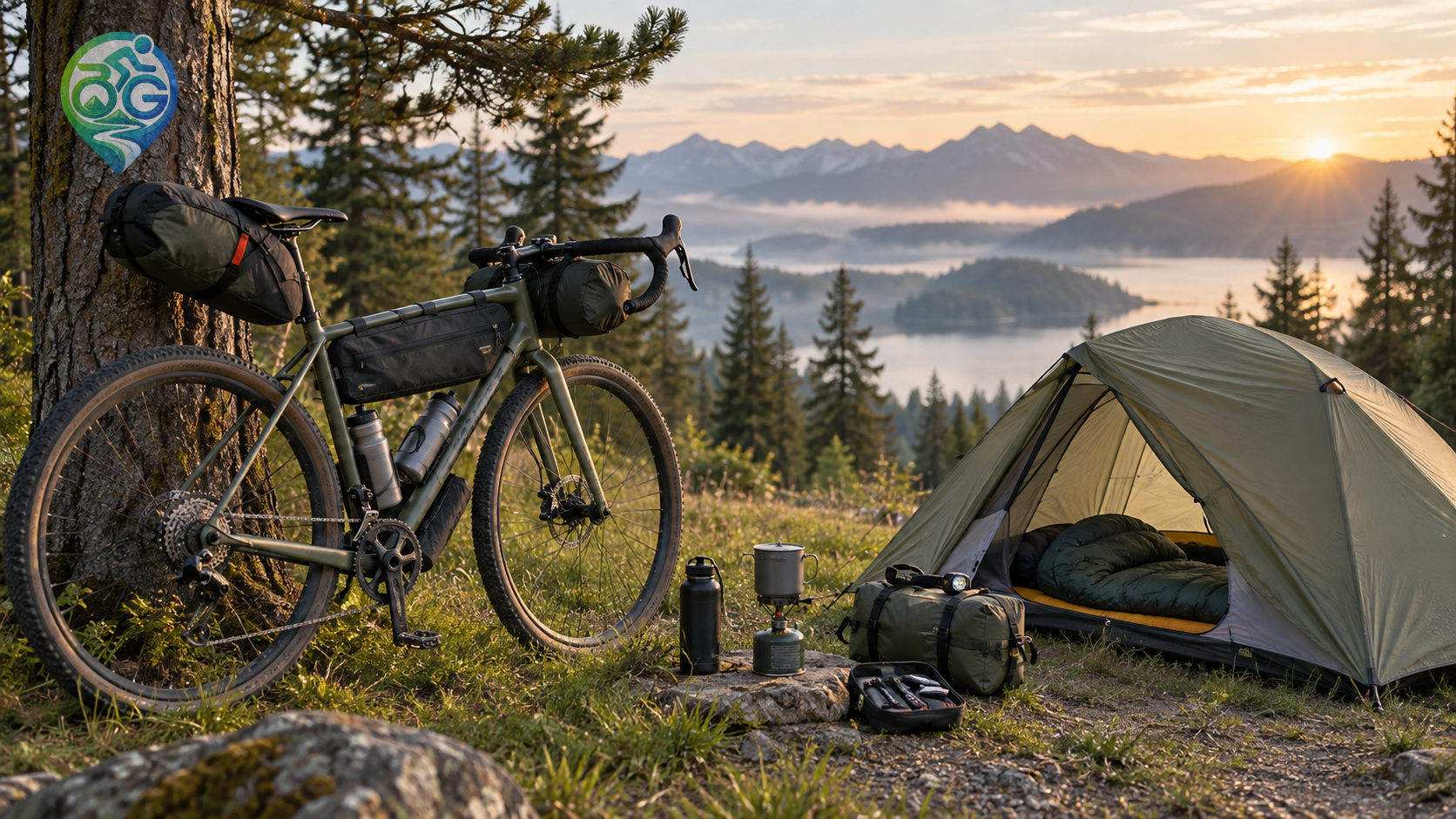
A light casing can be excellent for short rides on predictable surfaces. Long-distance routes introduce sharp rock, lower pressures, luggage weight and fewer repair options, which can justify a more robust casing. Saving a few grams is a poor bargain if a sidewall cut leaves you stranded. Carry tubeless plugs, a suitable pump and a tube; our bicycle pump buying guide compares pumps by their real riding use.
A quick buying checklist
List the route surfaces, measure the rim’s internal width, check frame and fork clearance, confirm tubeless compatibility and estimate the total load. Then compare casing and tread options within the sizes your bike supports. The bikepacking starter guide links luggage decisions to the durability a route demands. The best tyre is not the most aggressive or the lightest one; it is the model that gives your actual rides enough grip, comfort and dependable protection.