Tire pressure changes how a bicycle feels more than many riders expect. Too much air makes rough surfaces harsh and reduces grip; too little air can cause rim strikes, unstable handling and damaged tires. A useful setting starts with the rider, the bike and the route—not with a single universal PSI number.
What determines the right pressure?
Rider and luggage weight, tire width, rim width, casing construction and surface all matter. A heavier rider or a loaded touring bike generally needs more pressure than a light road setup. Wider tires can run lower pressure because they support the load with a larger contact patch.
Road, gravel and mixed surfaces
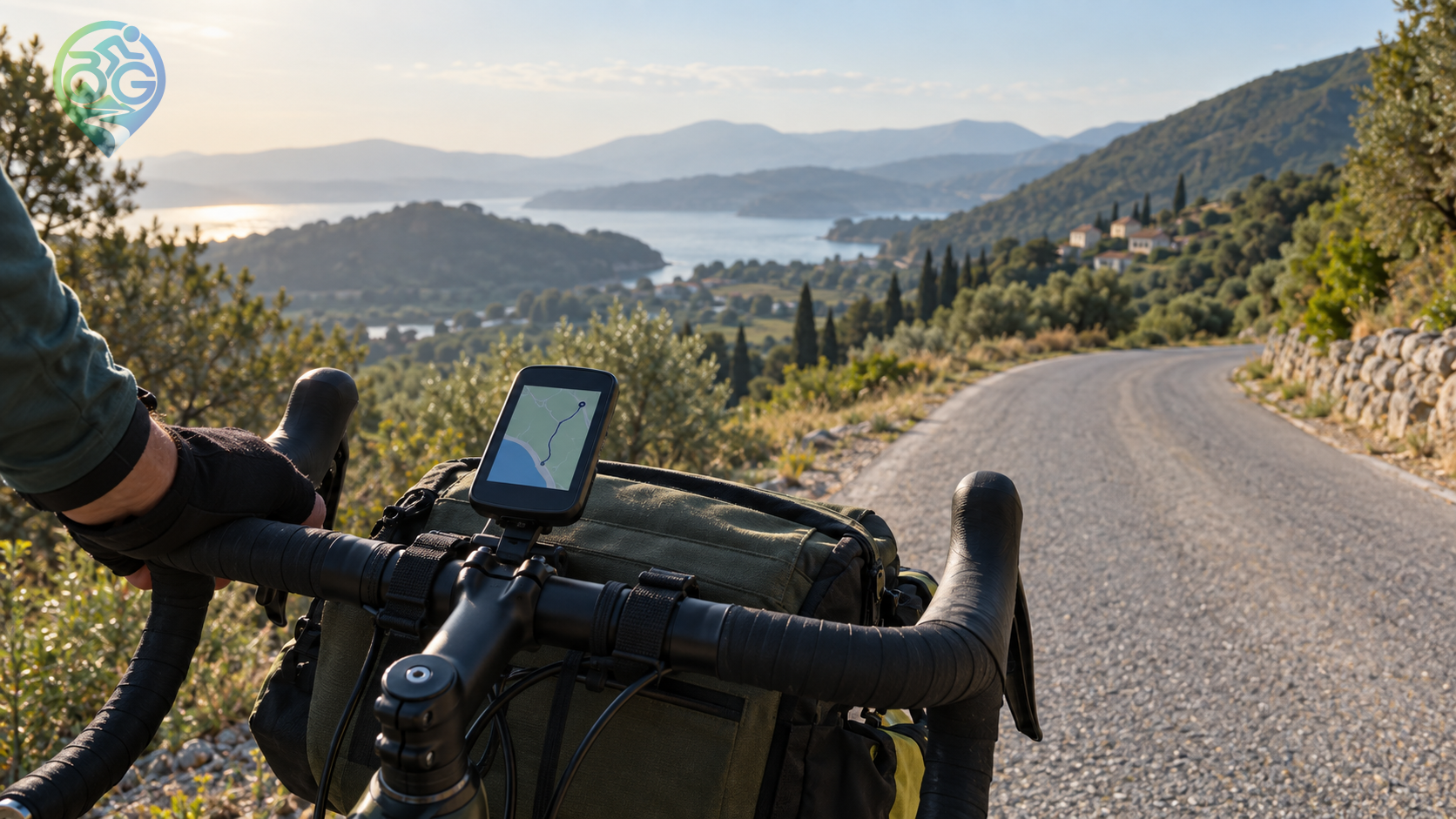
On smooth asphalt, pressure should support efficient rolling without making the bike skittish. On gravel, reducing pressure gradually can improve traction and comfort, but stop before the tire feels vague in corners. For mixed routes, choose a middle setting and adjust after a short test ride.
Use the sidewall only as a limit
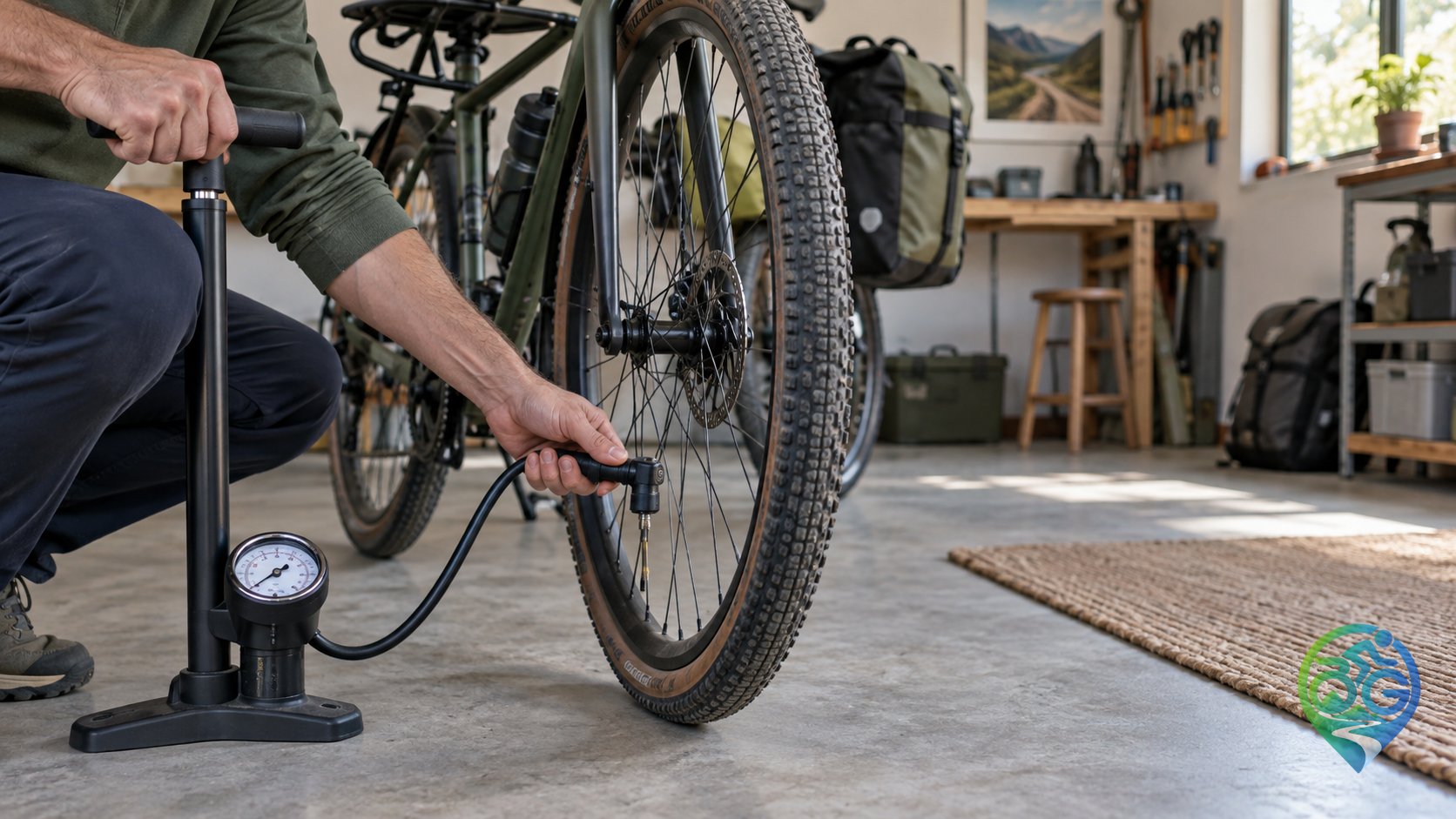
The number printed on a tire is normally a safe range or maximum, not a personalized recommendation. Start within that range, measure with the same pump, and make small changes of a few PSI. Record what works for dry pavement, loose gravel and a loaded bike.
Pressure checks before every ride
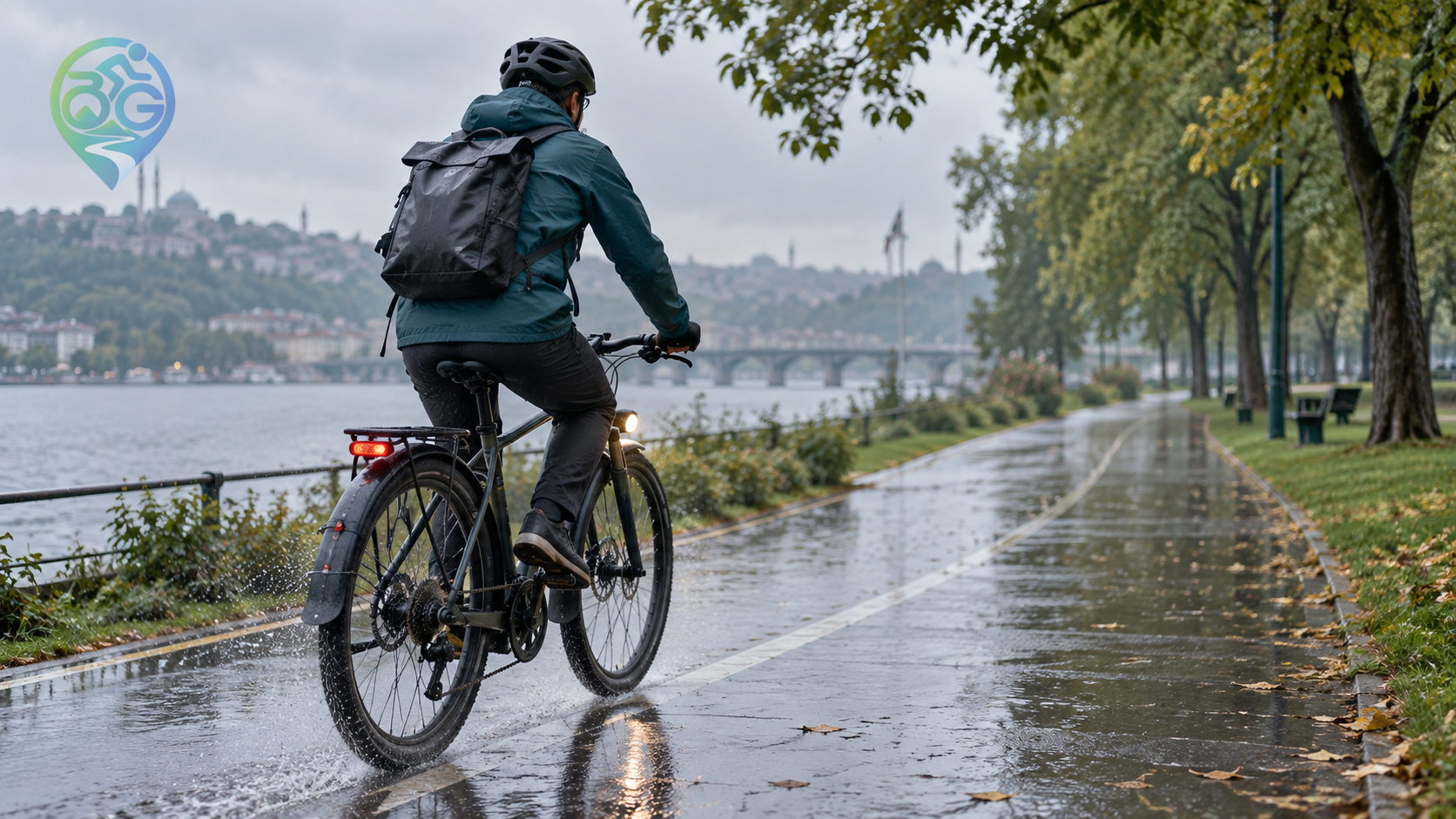
Temperature and slow leaks change pressure even when a tire looks fine. Check both tires before a long ride, inspect the tread and sidewalls, and confirm that a tubeless system still contains sealant. If the bike feels harsh, wanders in corners or bottoms out on small bumps, pressure may be the first variable to adjust.
There is no perfect number for every ride. The best pressure is the lowest setting that remains stable, protects the rim and gives you confidence on the actual surface.