A bike light has two jobs: help you see and help other road users see you. A light that is excellent on a dark trail may be distracting or poorly aimed in traffic. Choose the beam, runtime and mounting system together.
Lumens are only one part of the decision
Lumens describe output, not how evenly the road is lit or how long the battery lasts. A focused beam may work on an unlit trail, while a shaped urban beam can reduce glare for oncoming traffic. Look for useful runtime at the brightness you will actually use, not only the maximum setting.
Front and rear light roles
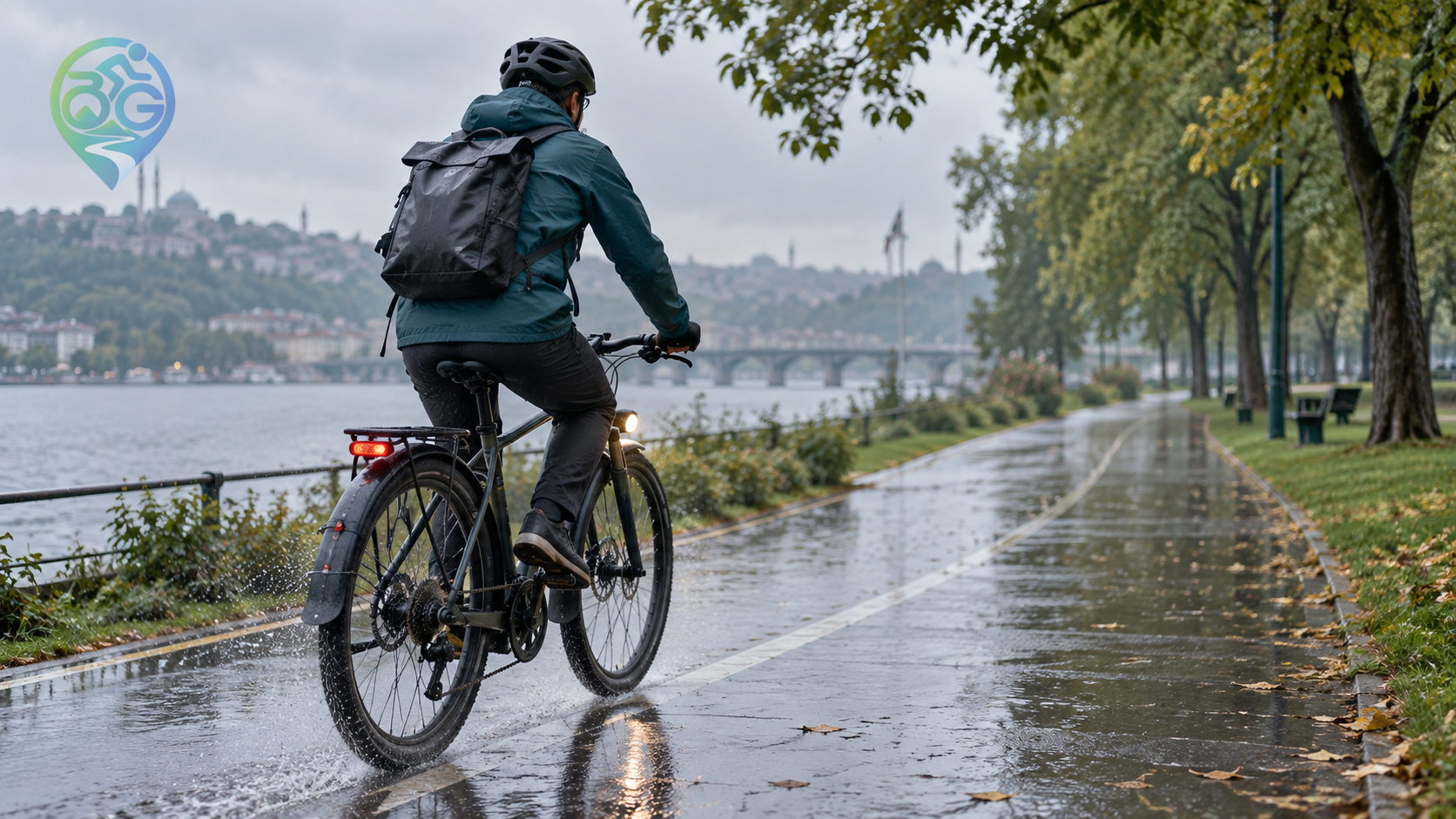
The front light should illuminate hazards and make your position clear. The rear light should remain visible from a distance and from an angle. A steady mode is useful for being seen; a carefully chosen pulse can improve visibility, but avoid modes that make distance or speed hard to judge.
Mounting, weather and charging
Check that the mount does not rotate on rough roads and that a bag or fender cannot cover the beam. Water resistance, a clear battery indicator and USB-C charging simplify daily use. Carry a backup light or battery when you ride beyond easy resupply.
Use light without blinding others
Aim the beam toward the road rather than directly into faces. Clean the lens, confirm the light remains attached and turn it on before dusk. Reflective clothing and bright details complement lights but do not replace them.